G
Genital Ulcer
Why Every Pet Owner Should Take Genital Ulcer Seriously A Genital Ulcer could signal serious herpes infection in pets, particularly dangerous for puppies

What a symptom can mean, when to call the vet, and what to expect, A to Z.
Why Every Pet Owner Should Take Genital Ulcer Seriously A Genital Ulcer could signal serious herpes infection in pets, particularly dangerous for puppies
Causes of Seizures in Dogs and Cats You Should Know Common Seizures triggers include liver/kidney failure or head trauma, making medical evaluation
Squinting How Autoimmune Diseases and Hypothyroidism Affect Eyes Squinting in pets indicates eye irritation from debris, allergies, or infections,
Aggression Common Triggers as Territorial Protection, Fear & Pain Aggression in pets stems from territorial instincts, medical issues, or breed
Red Spots On The Gum What Healthy vs. Unhealthy Gums Look Like Red Spots On The Gum often indicate toxicity from human products or blood disorders,
Dark Waxy Discharge In The Ears When to Worry About Infections or Fever Dark Waxy Discharge In The Ears often signals ear mites, causing itching and head
Rapid Pulse in Pets When to Worry About an Elevated Heart Rate Rapid Pulse in pets may indicate serious conditions like heart disease, anemia, or heat
Eye Lesions Common Underlying Health Problems to Watch For Eye Lesions often result from trauma or underlying conditions and require prompt treatment to
Pain in Pets Recognizing the Signs of Discomfort Pain in pets signals underlying issues from injuries to diseases, requiring veterinary assessment for
Headaches Subtle Signs Your Pet Might Be in Pain Headaches in pets may indicate serious conditions like brain tumors and require veterinary evaluation if
Skin Problems in Pets: Identifying Rashes, Bumps, and Infections Skin Problems in pets range from allergies to infections. Common issues include
Unable To Recognize People Objects: Senility as the Leading Cause in Senior Pets Unable To Recognize People Objects could reflect senility in aging pets
Pain In Neck: How Spinal Trauma and Disc Disorders Trigger It Pain In Neck affects pets' mobility, often causing reluctance to jump or climb stairs due to
Vision Loss: Early Signs Your Pet’s Vision is Fading Vision Loss in senior pets is common, but in younger animals may indicate diabetes, glaucoma, or
Disorientation: How Seizures Impact Your Pet’s Brain Function Disorientation in pets often signals neurological issues like seizures or brain disorders
Tender Abdomen in Pets: Recognizing Painful Sensitivity to Touch Tender Abdomen discomfort in dogs/cats often stems from ulcers, infections, or trauma
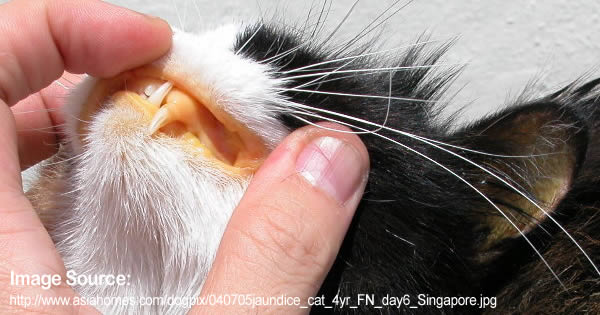
Yellowing: How Age and Breed Affect Liver Disease Risk Yellowing in pets indicates liver dysfunction potentially caused by toxins, hypoxia, or metabolic
Change In Voice: Why Your Pet’s Bark or Meow Sounds Different Change In Voice after excessive barking/meowing may be temporary, but persistent alterations
Tarry Stools: Why Defecation Becomes Painful for Dogs and Cats Tarry Stools suggest upper GI bleeding in pets, potentially from ulcers, clotting problems,
Jerky Movements: Differentiating Between Seizures and Muscle Spasms Sudden Jerky Movements may signal brain or spinal cord damage in pets. Professional