P
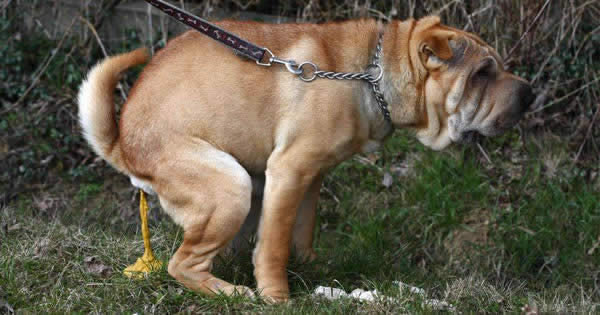
Pale Colored Stools
Pale Colored Stools Recognizing Abnormal Pet Stool Colors Pale Colored Stools in pets may indicate parasites, liver disease, or dietary issues needing

What a symptom can mean, when to call the vet, and what to expect, A to Z.
Pale Colored Stools Recognizing Abnormal Pet Stool Colors Pale Colored Stools in pets may indicate parasites, liver disease, or dietary issues needing
Poor Body Condition in Pets Recognizing the Signs Poor Body Condition in pets includes obesity or thinness from improper nutrition, thyroid disorders, or
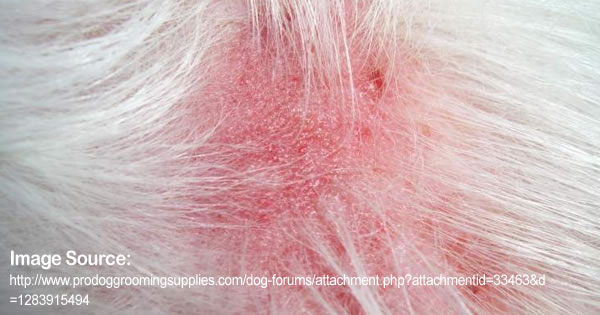
Red Rashes in Pets Identifying Acne-Like Skin Irritations Red Rashes in pets vary from dry/scaly to moist/odorous, caused by dermatitis, infections, or
Lack Of Coordination A Sign of Brain or Nerve Damage Lack Of Coordination in pets often signals neurological damage from trauma, toxins, or infections
Loss Of Sensation In The Rear Legs Understanding Rear Limb Paralysis in Pets Loss Of Sensation In The Rear Legs often results from spinal trauma but may
Stiff Walking in Dogs and Cats Recognizing Mobility Challenges in Pets When pets show Stiff Walking, causes range from normal aging to serious conditions
Twitching in Pets Understanding Involuntary Muscle Movements Twitching in pets involves involuntary muscle spasms potentially indicating neurological
Loss Of Muscle Tone Understanding Muscular Atrophy in Pets Loss Of Muscle Tone in pets, called atrophy, often appears in hind legs and may signal Lyme
Hypertension in Pets Understanding a Chronic Condition Hypertension in pets strains vital organs like kidneys and heart, requiring veterinary diagnosis
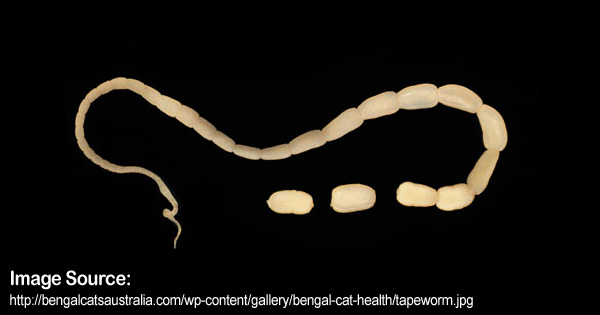
Worms in Pets Identifying Common Intestinal Parasites Worms in pets include roundworms, tapeworms, and hookworms that live in intestines, visible in vomit
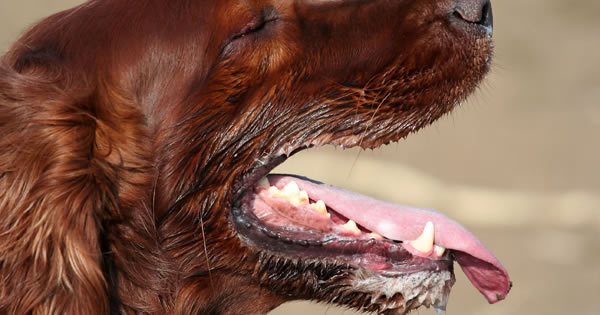
Drooling in Cats and Dogs Differentiating Harmless from Concerning Drooling becomes concerning when excessive, potentially indicating mouth injuries or
Poor Coat Condition in Pets Common Health-Related Causes Poor Coat Condition often signals health issues like hormonal imbalances, nutritional
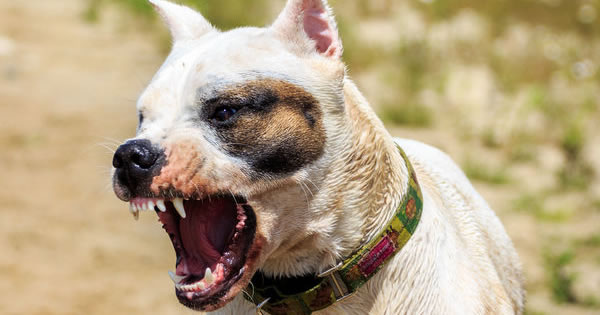
Biting Tendencies How Breed, Environment and Upbringing Play a Role Biting in pets may indicate medical issues if sudden; consult a vet when biting
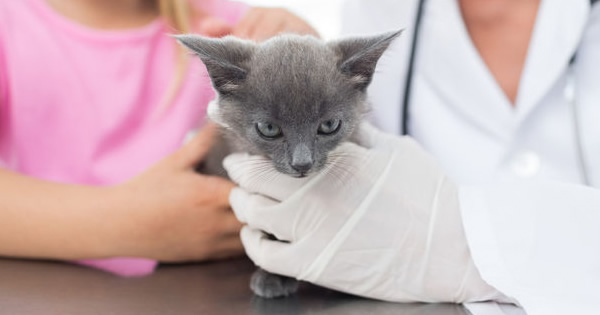
Failure To Thrive In Newborns Recognizing Fading Puppy and Kitten Syndrome Failure To Thrive In Newborns describes weak pups/kittens unable to nurse
Excessive Redness At The Incision Site A Sign of Abnormal Healing Excessive Redness At The Incision Site indicates poor healing and potential infection
Bad Temper in Pets Recognizing Signs of Irritability and Anger Bad Temper in pets often signals medical issues like infections or trauma, requiring
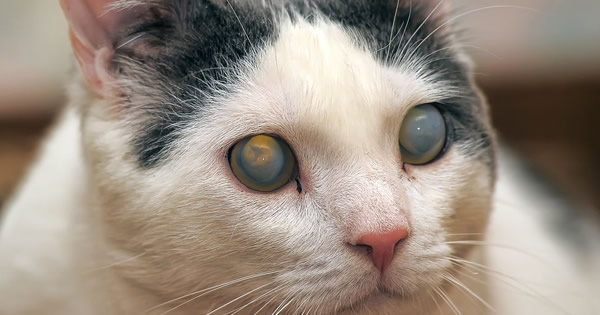
Cataract Formation and Vision Loss in Pets Cataract in pets is lens clouding causing blindness; progresses variably from injury/infection needing vet
When Head Shaking in Pets Becomes a Cause for Concern Head Shaking in pets can indicate ear infections, trauma, or irritants when persistent, requiring
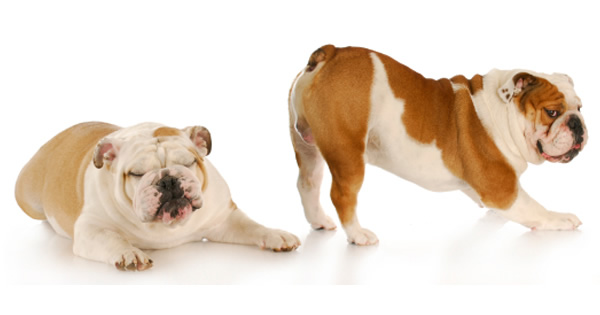
Understanding Gas Issues in Pets Gas Issues in pets are usually harmless but sudden severe cases may indicate bowel disease needing veterinary
Decreased Thirst in Pets A Warning Sign You Shouldn't Ignore Decreased Thirst in pets can lead to dangerous dehydration and may signal serious kidney