Sagging Belly – Small Pupil
Shrunken Kidneys
The kidneys of a pet are smaller than usual, if they are shrunken it’s a clear sign that the pet has a kidney disease. Kidney disease can occur in both cats…
Read article
The kidneys of a pet are smaller than usual, if they are shrunken it’s a clear sign that the pet has a kidney disease. Kidney disease can occur in both cats…
Read articleA bleed in the whites of the eye of your pet is known as focal hemorrhages in the eyes, and can have different causes. This symptom is commonly related to…
An abnormal sensitivity of the dog or cat to light, or intolerance of light especially by the eyes. This symptom, also called ´Photophobia´, may have several…
It involves digging or the destruction of items, such as furniture, doors, or toys by chewing. Pets, in particular dogs, can have the tendency to show…
Dark-Colored Skin or any changes in your pet’s skin could be a symptom or a sign of a health condition or infection. Common causes of Dark-Colored Skin are…
Changes in the voice of the pet when it meows or barks. Voice changes in pets are typically caused by some sort of health problem that results in a sore…
The dog or cat is holding the head to one side is a pet symptom called head tilting. If your cat or dog occasionally tilt its head, it’s no reason to be…
Sleeping more often than usual or for long periods of time. Cats and dogs are genetically designed to sleep a lot, they tend to take short naps, and be active…
A condition of abnormally large fluid volume in the vocal organ of a dog or cat. Laryngeal Edema can be caused by a variety of causes, such as heart failures…
Changes in the urinary substance of your cat or dog from clear to cloudy is a symptom that is related to other health conditions. The change of urinary…
The pet experiences a short of breath – dogs and cats can display an excessive panting for different reasons which include obesity, heart problems and lung…
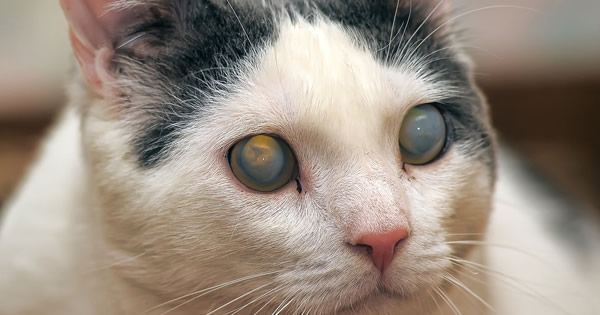
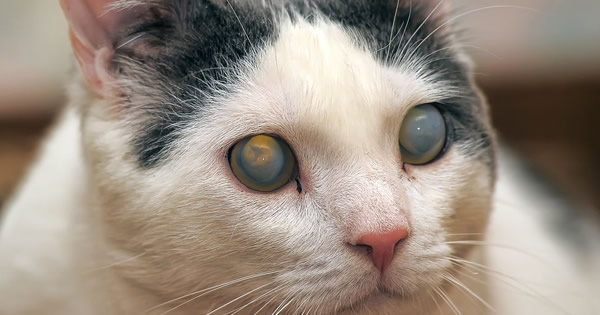
Clouding of the lens of the eye of the pet which can be caused by a variety of reasons, such as tumors, infections, or cataract formation. Clouding of the…
Cats and dogs eyes will make tears – crying – to flush away anything harmful from the eyes. Discharge/fluid is coming out of one or both eyes. Cats and dogs…
Redness of the skin or gums in pets is a common condition that can be indicative of a vast array of health issues. The dog or cat has a discoloration of a…
A condition caused by excessive tearing and eye discharge that might irritate the eye of the pet. Tear staining on the face in pets is known as epiphora and…
Misaligned teeth of a pet may cause difficulty in chewing, picking up food and are prone to tartar and plaque build-up. Teeth that point in odd directions…
Walking into things, like furniture and walls, or people without purpose. Pets can accidentally walk in to objects. It is, however, uncommon for pets to walk…
Your dog or cat is not able to speak, so their way of communicating with humans is by body language and barking, howling, and whining. A pet will make these…
Urination and/or defecation outside the litter box in cats due to discomfort or pain. Urination outside litter box is a common behavior in cats, especially…
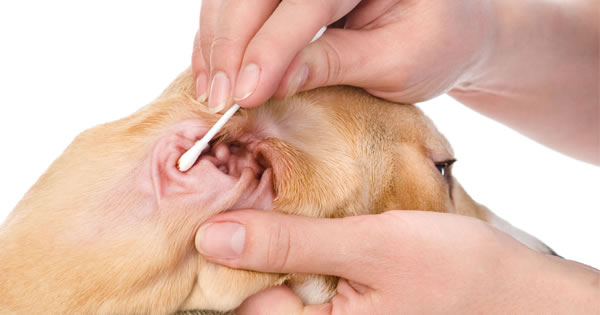
The pet has an increased wax buildup in one ear or both ears. It is important to keep your dog or cats ears clean. Wax buildup is more common in dogs than in…
A condition which makes pets feel unsteady or lightheaded. When a cat or dog experiences balance problems, it may have trouble with walking and jumping. This…
A bruise is a traumatic injury of the soft tissues that results in leakage of red blood cells. Extreme reddish-purple discoloration in the skin. Often bruises…
If a pett is standing with head lowered or down is a sign of a vast array of behavioral and health-related issues. While both cats and dogs may display this…
Pet refuses to eat kibble or other hard foods is known as Refusal to eat, and it is a common symptom of many different health issues in pets. While some dogs…
The dog or cat has a bad-smelling body odor that can by accompanied by a crusty, flaky skin and can stay moist. A bad or foul-smelling skin odor can be a sign…
Changes in the color of the urine, this can be orange to dark-colored caused by blood or an abnormal fecal color. It is important to keep an eye on the color…
The pet experiences a loss of internal equilibrium, this loss of balance (or an Unbalanced Gait) can affect dogs and cats. A loss of balance may indicate…
An eating disorder that makes pets lose weight more than is considered healthy. Anorexia in cast and dogs in different than Anorexia Nervosa, as it is not a…
This symptom happens when your dog or cat’s pupils are more expanded than usual, which could lead to mayor eye problems. Unusual dilated pupils can be a sign…
Inflammation in one eye or both of your pet; both cats and dogs could suffer of Recurrent Conjunctivitis. Conjunctivitis refers to the inflammation of tissues…
While some pets may not be able to tolerate cold temperatures due to a lack of hair or body fat, other dogs and cats experience a low tolerance to cold…
The smell of bowel, in your dog or cat can have be strong which is normal but be aware of any changes. If you notice your pet smells different than normal…
Increased thirst, pet is drinking much more than usual. Excessive drinking is often accompanied by excessive urinating. Excessive thirst can be a sign of…
A discolored, pigmented area on a tooth contrasting with the rest of the tooth color. Discoloration of the teeth can be either internal of external. Internal…
Pet is loosing too much weight, or emaciation, without explanation. A cat or dog losing weight can have different causes, such as changes in diet or…
The compulsive act of a pet pressing the head against objects for no apparent reason, like against a wall. A cat or dog can have the urge to press the head…
Coughing helps your dog or cat to remove any foreign bodies or mucus from the throat. Coughing can be chronic, continuous or intermittent. Your pet can cough…
A condition in pets in which red blood cells are destroyed and removed from the bloodstream before their normal lifespan is over. Hemolyctic anemia is often…
A condition in which the heart beats in a abnormal or irregular way – either too slow, too fast, or it may skip a beat. Pets may experience physical…
Discoloration of the gums and mucous membranes of the pet. Discoloration of the gums is often a sign of dental problems, although other medical conditions…
A process in which one or more teeth of a pet come loose and finally fall out. While tooth loss is a normal occurrence in young puppies and kittens, when it…
A condition which causes the jaw to swell up larger than its usual size. The swelling of the jaw can have various causes. Most often it is caused by severe…
When the pet is gasping for air or having any difficulty breathing, it is a symptom commonly related to other health conditions. Always consults a…
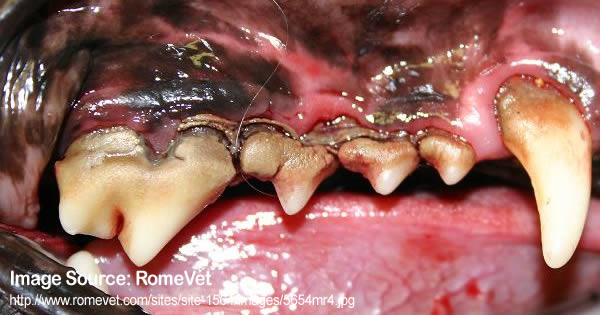
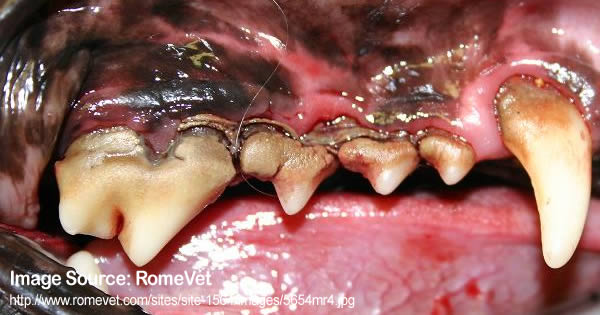
Plaque and/or tarter is build up on the teeth of a dog or cat. Plaque can be referring to either the teeth or the arteries; however, in either case, it can be…
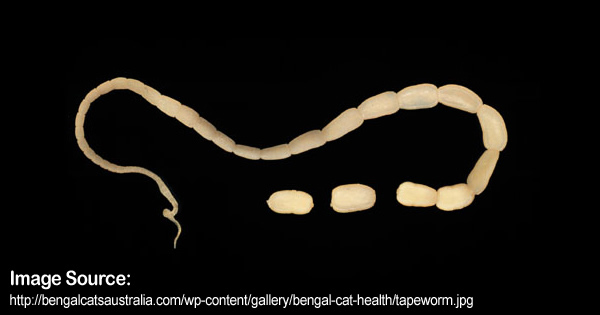
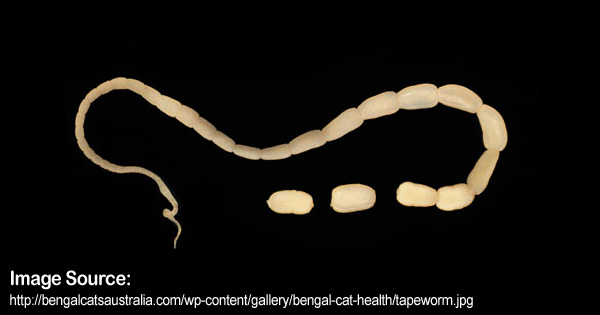
The pet has single worm segments or long strands emerging from the anus. When there are worm segments or strands of worms apparent in pets’ feces, it is a…
Reaction of a pet itching in the eye, when pets begin pawing at the eye or eyes could be a cause for alarm. The eyes are delicate parts of the body and can…
A state of sluggishness, inactivity and apathy of the dog or cat is known as lethargy (or listlessness). Symptom is also characterized by a loss of interest…
Vocalization in dogs and cats refers to disruptive crying, whining and barking in dogs and meowing in cats. Vocalization in pets refers to such excessive…
Pet has a milky, silver or gray opacities on the cornea and/or circular, oval or diffuse-shaped opacities. Cornea problems can have a variety of causes, such…
Constipation or infrequent bowel movements in pet can have a very simple cause, such as a lack of fiber in your pet’s diet. However, infrequent bowel movement…
The pet is experiencing a regurgitative spasm in the throat like gagging and/or vomiting. Retching is quite common in pets and can be best described as…
An ulcer is a discontinuity in a bodily membrane of a dog or cat and the organ of which that membrane is a part can not continue its normal functions. There…
Listlessness in pets, or lethargy, occurs in both dogs and cats when they lack of energy or they are unwilling to exert effort. Lethargy or listlessness in…
The dog or cat has an abnormal mass of tissue, such as a tumor in the mouth. Tumors -or growths- in the mouth of your cat or dog can be signs of infection or…
The cat or dog experiences spontaneous, premature expulsion of a nonviable embryo or fetus from the uterus. Also called Miscarriage. Spontaneous abortions in…
Inability of a dog or cat to move any limbs, a complete Paralysis. Paralysis in pets occurs when communication between the brain and spine becomes interrupted…
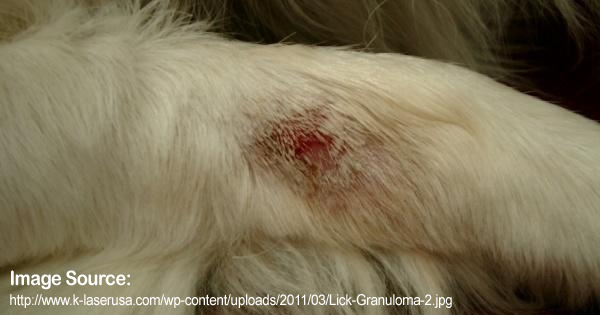
This behavior in a dog or cat means they can bite, scratch, or lick compulsively for different reasons. This symptom in pets could be related to allergies…
When a pet urinates less than usual, there is a decrease in urination, which is often caused by a lack of drinking. This is a sign or symptoms of serious…
If your pet is hypersensitive to dust, some allergic signs include sneezing and excessive scratching. Dust allergy and house dust mites could be triggers…
The pet is disabled so that movement, especially walking, is difficult or impossible. Lameness can shift from leg to leg. Lameness can be caused by traumas…
When a cat or dog is unable to urinate, it can have a great impact on their body, and can be highly uncomfortable for your pet. The pet can not urinate…
The dog or cat is not responding to sounds because of a hearing problem. Deafness is more common among older pets, but it may be a sign of tumors, nerve…
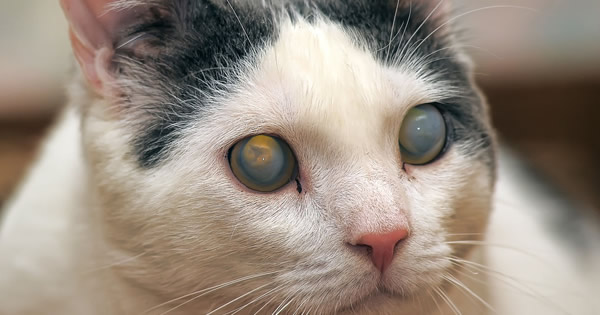
The pet has bluish and/or dull-colored cornea and dark or white areas on the cornea. White areas in the eyes of pets can be indicative of a vast array of…
The pet is unable to exercise, move or has difficulty in moving, running and playing. The inability to move can be caused by nerve damage, muscle damage…
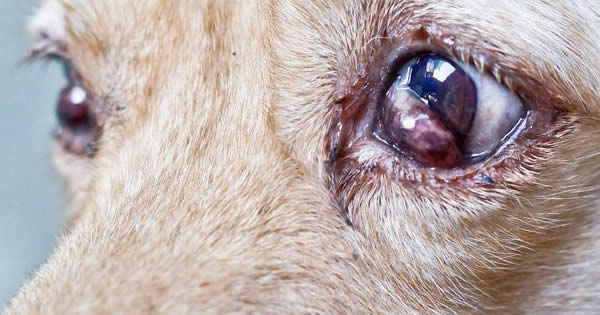
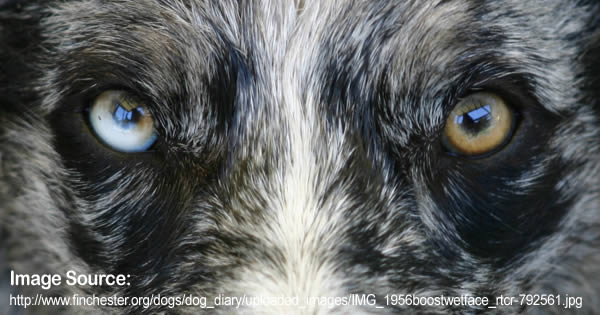
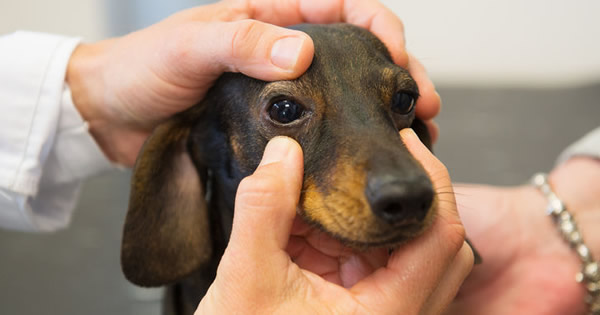
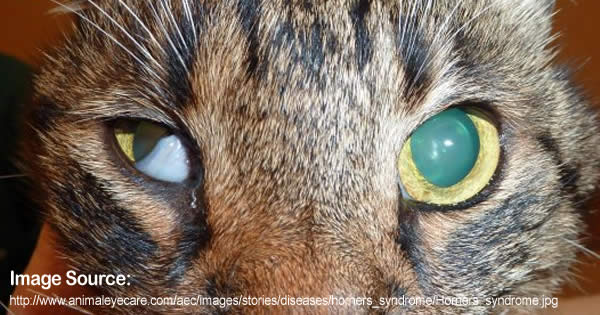
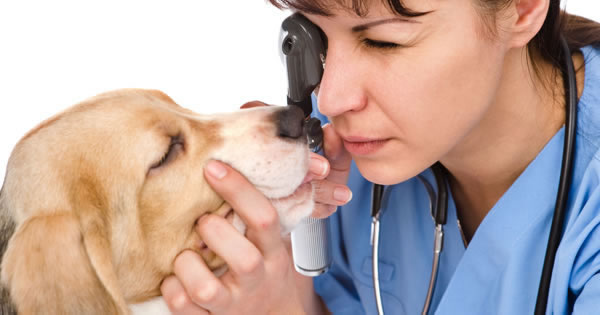
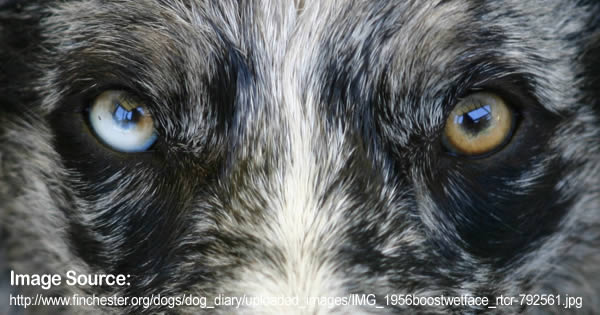
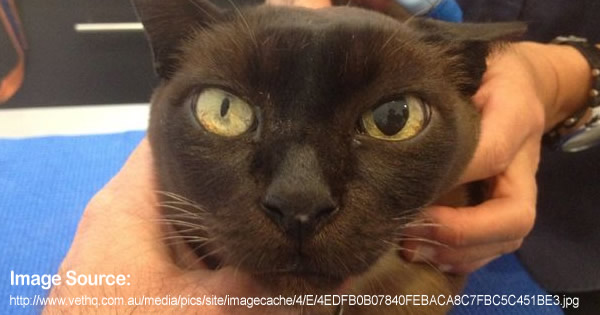
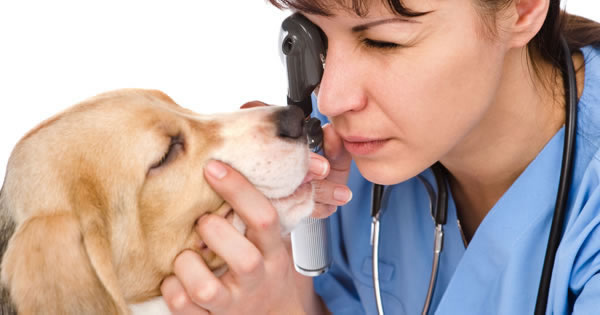
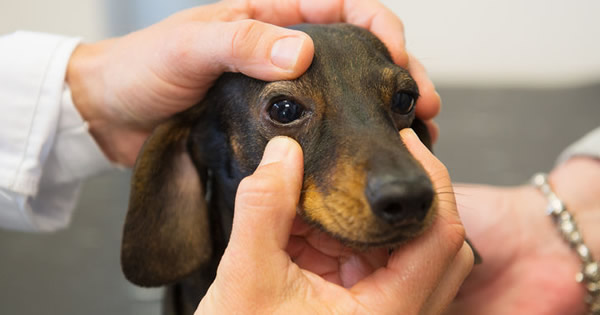
Size of pupil is smaller than usual, this condition of Small pupils in pets (medically known as anisocoria) occurs when one pupil is smaller than the other…
Confusion is a lack of understanding, state of bewilderment. Confusion can have different causes, such as brain damage or neurological issues. Confusion can…
Pet does not respond to any signals, if your cat or dog displays unresponsiveness it could be a serious condition associate to many different health issues…
The dog or cat looks fixedly, often with a wide-eyed gaze at an object like walls or into space. Staring in pets can mean many different things. In some…
The abdomen of the pet is smaller than usual due to its position. Often accompanied by rounding its back into an arch. Abdominal cramping can have different…
Dry eyes are caused by an inadequate tear production. The eye is dry and uncomfortable because it does not produce enough tears to be healthy. This is mostly…
When a dog or cat has bloody stools, it’s because there is an intestinal bleeding which can be caused by infections, kidney failure, traumas, ulcers, and…
Hanging or lazy lower, or drooping of eyelid is a pet symptom most commonly seen in dogs, seldom in cats. It is mainly caused by aging and fatigue. Some…
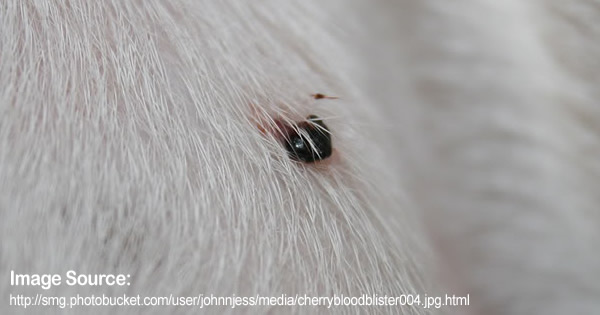
An abnormal mass of skin or swelling containing blood on skin. Blood-filled lumps can have different causes, such as an allergic reaction, infection, or…
Small pockets of fluids or an open sore on the transparent part of the eye. The most common cause of blisters or ulcers around the cornea is a trauma. Usually…
A condition in which the skin or cartilage becomes dry and crusty. Crusty skin of the ears, head and/or neck. A crusty skin can be a cause of concern…
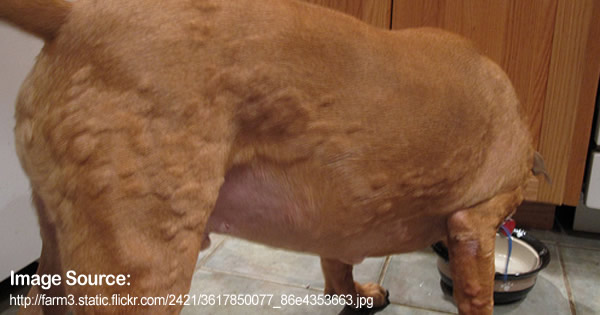
A lump on the body which can have different causes. Red bumps on your dog of cat’s body may be caused by for example allergies. It can also be caused by a…
When a dog or cat has a persistent need to urinate, or urinates much more than usual. Excessive urinating is often accompanied by excessive thirst and…
Loss of color in the skin of the nose of the pet, also referred as nasal depigmentation in dogs and cats, is progressive fading of color of the nose brought…
The dog or cat has bad-smelling ears is a symptom that could be commonly related your pet’s skin. A foul odor from the ears of your cat or dog may be a sign…
The general development of the pet is slower than usual. Slow development in larger breeds of dogs is quite normal. However, when it occurs in small breed…
A pet that is fearfulness or stress because of the anticipation of unfortunate events. Both cats and dogs can experience anxiety, in which they feel…
Brittle nails is a symptom commonly caused by infection, diseases, or a trauma to the nails. This happens when your pet has dry nails that are prone to…
A sudden stop of menstrual cycles in females that have not yet engaged sexually. Cats and dogs don’t have a menopause, which means that they continue to have…
This symptom happens when a pet is bent into a humped position, which is a clear sign of a pet health condition. A cat or dog can have a hunched posture…
Breath that smells like acetone in your dog or cat. A bad breath can have different causes. Most commonly it’s dental problems or diabetes. In both cases it…
Pet experiences generalized weakness and it is often the symptom of a serious medical condition. There are many medical conditions that can lead to weakness…
Liquid is coming out of the nose of the dog or cat. Typically, a clear nasal discharge in pets is nothing to worry about. However, if it lingers or becomes…
The dog or cat has acne-like lumps; these red pustules (also known as pustules) are tiny bumps on the skin that are filled with pus. Pustules form when the…
The pet has a sensation of unease and discomfort in the upper stomach with an involuntary urge to vomit. Nausea is a common condition in pets, and it can be…
Cats and dogs can have an itch because of an allergic reaction, infection, a neurogenic condition, or parasites. Itching is a sensation localized on the skin…
A pet is pouring back, especially to cast up partially digested food. Regurgitating food is characterized by the expulsion of undigested food without…
Swollen kidneys, medically known as renomegaly, is a condition in which one or both kidneys become abnormally enlarged. The kidneys of a pet are more enlarged…
If the thyroid gland of the pet is large enough to feel when you put your fingers on the throat, then the gland is “palpable”. Healthy thyroid glands in pets…
Chronic infection of an open Lesion in a dog or cat. Various skin infections are quite common in pets; however, when they become recurrent, it can be a cause…
A dog or cat can have limp pain in one leg or more legs of a pet. Limb pain in dogs and cats can occur in one leg or several legs of a pet. A dog or cat can…
The ears are perked-up, forward-pointing and turning to catch sounds. The most common cause of alert ears is that something draws your pet’s attention. Alert…
The pet has a difficulty to breathe in oxygen, and they may practice what is known as open-mouth breathing. Some of the most common reasons dogs and cats may…
The dog or cat is unwilling to jump because it has a difficulty or pain while jumping. When pets display an unwillingness to jump, it is typically a symptom…
The dog or cat experiences a patchy hair loss, an increased loss of fur and/or bald spots on the skin. Hair loss is often caused by a mite, although it can be…
Pain in the stomach region, between the chest and groin. Malignant cancers are often the reason for abdominal pain in older dogs. Abdominal pain in younger…
A condition in which patches of skin become rough or dry. A crusty skin can be a cause of concern. Sometimes the skin of your pet crust because it is playing…
When the pet is intolerant to noise or has a over-sensitivity to sounds, especially small or senior dogs. This situation is quite common in pets…
Pain with spontaneous and abnormal contractions of a muscle for example in the back or neck of a pet. Muscle spasms are common in pets, and they are…
Any black particles or discharge coming from the ears may be a sign of ear mites, which can be treated at home. In case of a yellow to green, smelly discharge…
Discoloration in the pigmentation of the eye or change in shape of the inside of the eye. It is not common for pets to show a change in color or shape of the…
Swollen or Thickened skin in pets is typically accompanied by black pigmentation and a foul odor. This condition can occur in both cats and dogs, and the most…
A sudden and momentary loss of consciousness caused by a lack of sufficient blood and oxygen in the brain. Fainting can be caused by heart diseases, heart…
An excessive tear production causes constant wetness and irritation, is also known as epiphora. Severe tear production is characterized by the overproduction…
Red eyes resulting from the vessels in the white of the eye. The most common cause is inflammation of one or both eyes. Red eyes may have other causes, such…
Spasm in the transparent front part of the eye that covers the iris, pupil, and anterior chamber. Corneal spasms are not considered normal. Corneal spasms may…
An open sore in the lining of the stomach, also called Stomach Ulcer and Peptic Ulcer. Stomach ulcers can be caused by nonsteroidal anti-inflammatory drugs…
The pet has an extreme or rapid change in mood, when your dog or cat’s mood swings it could be indicative of a vast array of health issues. Just as humans can…
A condition of abnormal functioning of the skin of a dog or cat. Skin diseases are quite common in pets, and there are basically two types: curable and…
Series of involuntary spasmic movements of the pet to eject part or all of the contents of the stomach. The vomit of a dog or cat can contain blood. All pets…
Limping in pets indicates moderate to extreme hopping when your pet walks or runs. Dragging a leg or favoring one or more legs over the others is seen in both…
A rate of movement of the pet, especially in stepping, walking. Pacing is a type of behavior in cats and dogs that is characterized by restless walking back…
Increased or excessive appetite is when a pet eats more than usual and is caused by behavioral problems, which can lead to obesity. However, an increase in…
The stomach area is larger than normal, usually accompanied by abdominal pain. Abdominal swelling can be caused by something as innocent as eating to much…
Blood streaming from a surgical cut made in skin or flesh. Blood streaming from an incision is does not have to inflict direct danger to your pet. In case of…
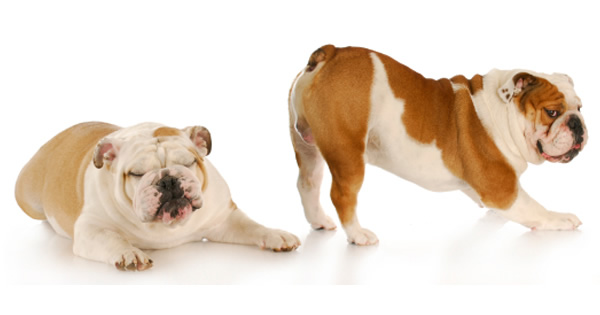
This happens when dog is scooting the hind end against the floor to empty its anal sacs. Scooting the hind end is a behavior that is seen in dogs much more…
Any abnormal, irregular heart beats or rhythm of the dog or cat is related to many pet health conditions. An irregular heart rhythm may be a sign of Addison’s…
Any awkwardness or unawareness of movements or size in your dog or cat, is also known as clumsiness. This is a symptom that does not always have to be a cause…
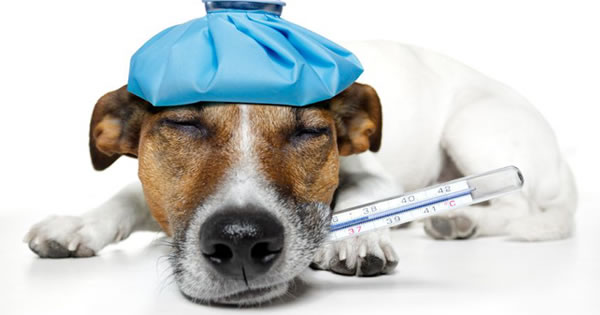
When the pet has an increased body temperature or fever that can be recurrent. A body temperature of at least 103.5° F (39.5° C) is considered a fever. A…
A state of indifference or lack of emotions in a dog or cat is also known as apathy. Pets have the tendency to show signs of apathy when they are not feeling…
The dog or cat breathe with difficulty and produces a hoarse whistling sound. Wheezing in pets is characterized by loud and difficult breathing. Perhaps the…
The pet has a temporary loss of nerve and muscle control. When it appears as if pets are sleeping with the eyes open, it is no cause for alarm. While most…
The natural grease produced under the skin of the pet begins to dry up. This is often caused by a deficiency of omega-3, which can be treated with a good…
If your pet has a loss or decreased appetite, it is important to determine why your cat or dog eats less than usual. It is not advised to compare it to what…
Sluggishness is a symptom of a vast array of health issues in pets and is characterized by lethargic and listless behavior. There are many things that can…
The pet has a significant amount of mucus, a smooth, thick substance, in the stool. A small amount of mucus in your pet’s stools is perfectly normal. Mucus is…
The pet has a fragile or thin skin, and is characterized by fragile skin that is thinner than normal. This condition is also known as skin fragility disorder…
The dog or cat is breathing faster than usual; normally, resting pets take about 10 to 30 breaths every minute. Breathing faster than this can indicate such…
If your dog or cat has a reduced size of the eye pupil, or constriction of the pupil, it’s possible it can be caused by a trauma to the eye or a systematic…
Pet is unable to or has a difficulty in barking or meowing. Hoarseness in cats or dogs can be caused because of excessive barking or meowing. Another cause…
Wounds in the mouth or gums that cause them to bleed. Bleeding gums are often caused by dental diseases, although other causes such as traumas and infections…
A swelling on the gums or under the tongue of the pet. Lumps on the gums or under the tongue can occur in both dogs and cats and for a variety of reasons…
The pet has aching, painful, red or bloodshot eye or eyes. Eye inflammation can cause severe pain to your pet, and can have an impact on your dog or cat’s…
The eye is dry and uncomfortable because it does not produce enough tears to be healthy. This is mostly caused by the Keratoconjunctivitis sicca (KCS) or dry…
A pet is unwilling to act or displays reluctant behavior, it can indicate a vast array of behavioral and medical-related issues. Some of the most common…
When the pet is not able to repose and displays a restless behavior, which is quite common on pet. This symptom can indicate a large variety of issues. For…
The dog or cat has a liquid-filled lump on the ear flap. There are many things that can cause swelling of the ear flap in pets; however, the most common…
The attention span, how long a cat or dog can concentrate on a task, is short. begin to wear out, scar tissue will form. Just as with human infants and…
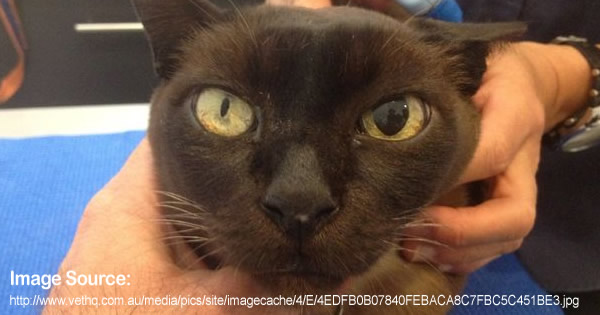
Your dog or cat has one pupil that is visibly smaller than the other. Uneven pupils in pets, medically known as anisocoria, is a condition in which one pupil…
When a pet has a runny, stuffy or nose discharge, as long as it has a clear color is nothing to be concern about. However, if the discharge becomes chronic…
A condition in which the muscle of a pet becomes thinner and weaker. Dogs and cats that experience muscle wasting are most often displaying symptoms of an…
As in human beings, a female cat or dog can be infertile. Intact females are not spayed. Sterility in intact females, also known as infertility, occurs when…
The dog or cat has an increased attempt to remove dirt, discharge or debris of the genital areas through excessive licking. Cats and dogs keep themselves…
Reaction of a pet itching in the ears, pay special attention if your pet begins pawing at the ears, it can mean several different things. The most common…
Pet is experiencing discomfort or pain while lying down, walking, jumping etc. A cat or dog showing signs of discomfort and pain requires a visit to the…
The absence of vision of a pet where it existed before. Loss of vision can happen either acutely or chronically. Loss of vision in pets, also known as partial…
The retina is a very thin layer of tissue that lines the inner part of the eye and sends light impulses to the brain via the optic nerve. If a pet has the…
Discharge of secretions from the cervical glands of the vagina of the pet. Milky or bloody vaginal discharge in female pets is normal when they are in season…
The pet has a painful or difficult urination; straining while urinating is also known as Dysuria. Straining while urinating can occur in both cats and dogs…
Altered mental state describes changes in the mental state, perhaps resulting in confusion, sleep-like state or lack of control over emotions. Changes in…
A superficial growth or patch of the skin of the dog or cat could be a clear sign of skin lesions. It is important to pay attention to the skin of your pet…
The pet tends to hesitate when navigating stairs, jumping on or off objects or when walking in the dark. Hesitancy in cats or dogs can be a sign of injury…
The dog or cat has an overproduction of skin oil which results in oily skin or hair. Oily skin or hair in pets can be indicative of many different medical and…
The dog or cat has a wobbly walk, this muscle weakness causes difficulty in walking. Wobbly gait in pets, also known as wobbler syndrome and cervical…
Pet has a difficulty to breathe in oxygen; when your pet has a noisy breathing is because the air is trying to pass through passageways that are abnormally…
The eye feels uncomfortable and your pet may be pawing at its eyes, it could be a clear sign of eye irritation. When the eyes of your cat or dog are…
Small, transparent pockets of fluids in the skin that are usually caused by rubbing or chafing. Blisters are most often caused by a allergic reaction, but can…
When a pet has a difficulty to breathe in oxygen it’s because it has a labored breathing, which is often caused by issues with the nose, windpipe, or lungs…
A dental injury or collision with an object that causes teeth to crack, chip or break. Pets can break a tooth for many different reasons, e.g. chewing on hard…
Pus or mucous discharge from the affected eye or eyes of the pet. Occasional discharge for your pet’s eyes is normal, as they tend to play around in dirt and…
Any Blood or fluids seepage from a swelling in places like the the ear flap of your dog or cat. Seepage that has accumulated because of a swelling of the ear…
Compulsive behavior of a pet in which it fetches toys or other objects in excess. Fetching is more common among dogs than cats. Dogs can be addicted to…
An abnormal mass with a blue or purple color that appears on your pet’s skin. Dark-colored lumps can have a variety of causes, such as allergic reaction…
One eye or both eyes of the pet move or swing involuntary back and forth. Unusual eye movements in pets, medically known as nystagmus, is characterized by…
An involuntary tremble, shudder or vibration of the muscle of a dog or cat, as from illness, fear or shock. Muscle tremors are involuntary movements that are…
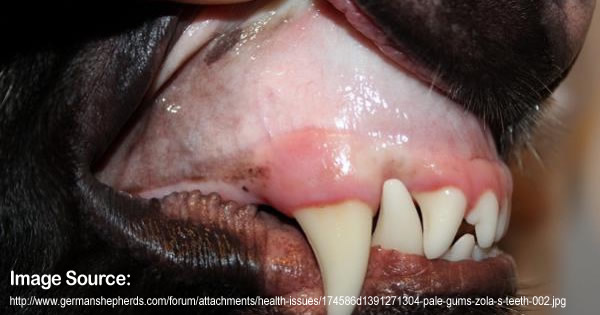
When pets are healthy, their gums should be a light pink color but if they have white pale gums and tongue it could be a symptom of a major condition…
Electrolyte disorders result in an imbalance of minerals, like calcium, in the body. The body disfunction’s when these minerals are not balanced. Your cat or…
The pet has a painful or difficult defecation, this is know as straining while defecating and occurs when they cannot produce anything. The most common…
A bloody discharge comes from the nose of a dog or cat. Nose bleeds in pets, medically known as epitaxis, is characterized by bleeding from the nasal…
Cat or dog has an unpleasant sensation in the back. Pain in back areas can be quite miserable for pets, even when it is mild. Back pain can range from mild to…
A reduced growth rate in the development of pets or stunted growth in pets is a condition that typically affects kittens and puppies. However, it can affect…
Increased skin pigmentation of a dog or cat with persistent infections. Skin pigmentation refers to the color of skin. In normal pets, the skin can range from…
Urine-soaked hair on the abdomen or between the rear legs. See Urinary Incontinence. Urine loss in pets, or urinary incontinence, is a condition that occurs…
Loss of conscience of the pet or physical strength. Collapsing is never normal in either a dog or a cat. The loss of conscience may be caused by a lack of…
An infection that affects the lower or upper urinary tract of the pet which causes frequent urination or urge to urinate (lower urinary tract) or fever and…
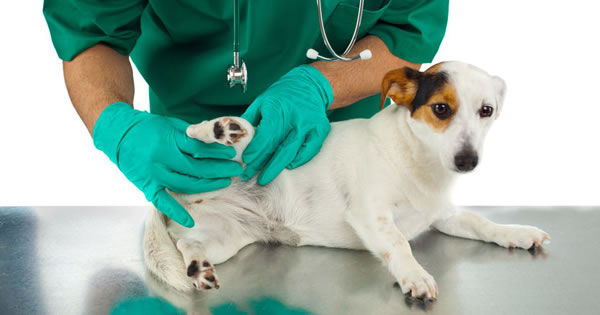
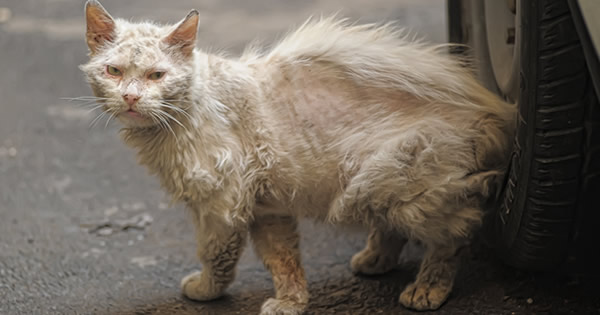
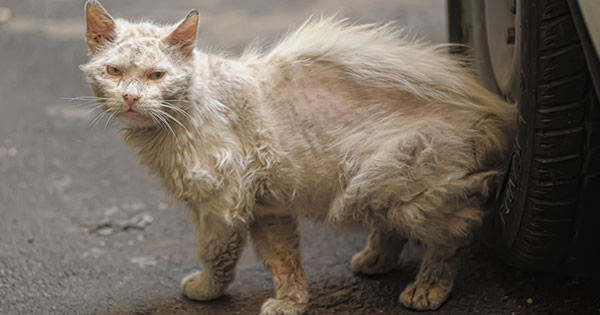
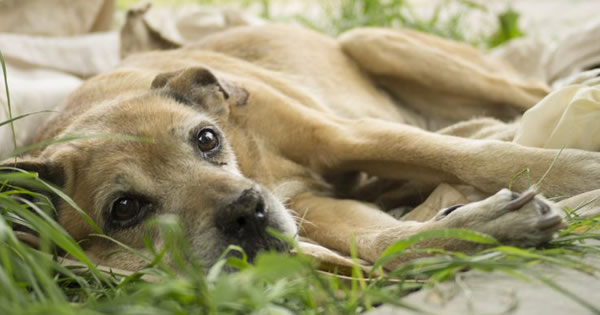
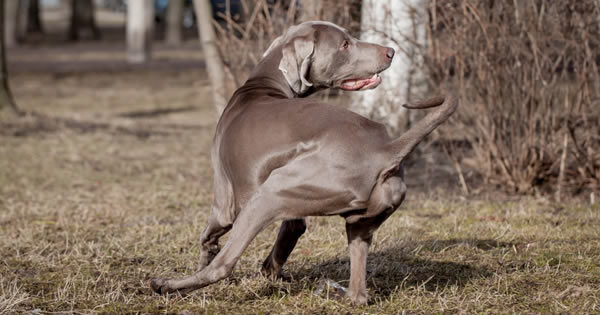
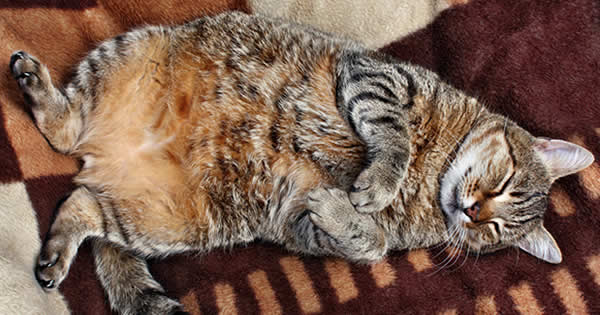
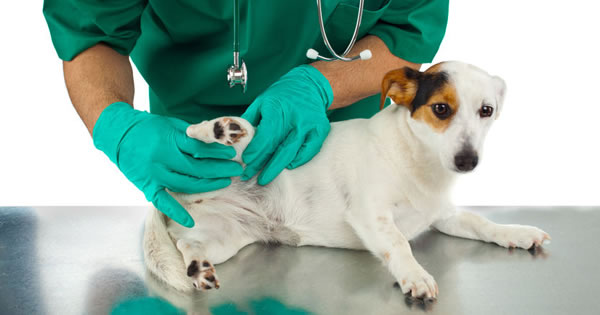
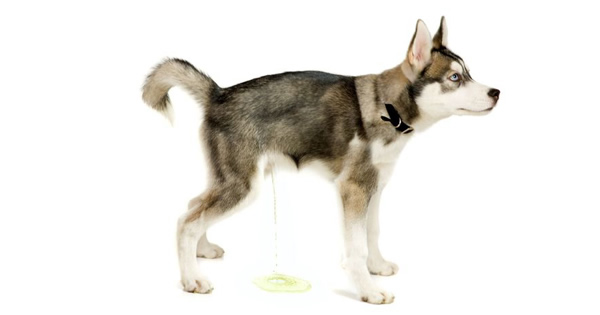
The cat or dog has a droopy belly or sagging belly, this is perfectly normal in cats and is known as a primordial pouch. The primordial pouch provides extra…
Teeth and gums have another color than usual, when a pet has discolored gums it is often caused by the blood flow being blocked. This discoloration on your…
A symptom of some physical hurt or disorder in between two or more bones of the dog or cat. When you notice your cat or dog having more trouble with normal…
A discomfort and pain in the jaw of a dog or cat when pressure is applied to the skin overlying the jaw bone. Tenderness of the jaw can occur in both cats and…
Exhaustion, tiring easily, sleeping more than normal or moving slower than normal. Fatigue in dogs and cats can have a wide variety of causes. The most common…
Blood in the urine of the pet that could look either orange or red, but different than usual. Blood in the urine of your pet can have different causes, such…
Physical activity level of pet is decreased or it has a loss of energy. A decreasing level of physical activity of your cat or dog may be a sign of a medical…
Rubbing The Ear A Symptom You Should Never Ignore in Pets Rubbing The Ear in pets often signals health issues like allergies, fleas, or ear infections
Bones That Fracture Easily Understanding Brittle Bones in Pets Bones That Fracture Easily in pets often break due to trauma, with the skull, jaw, and
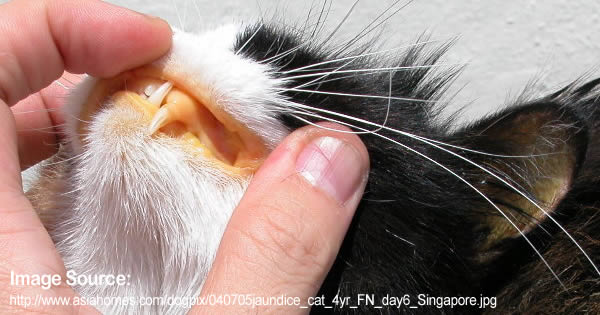
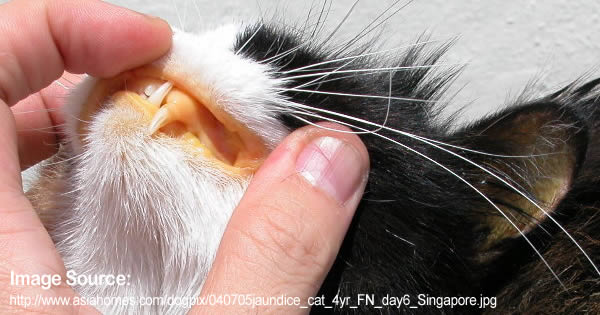
Jaundice Understanding the Connection to Liver Disease Jaundice causes yellow skin/eye discoloration in pets, often signaling serious liver disease
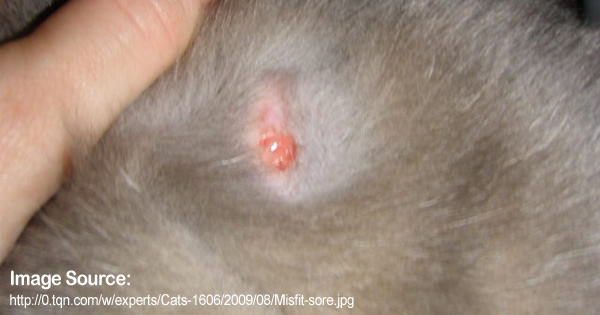
Sores Recognizing the Range of Potential Severity in Skin Lesions Sores in pets are open skin lesions that can result from allergies, injuries, or
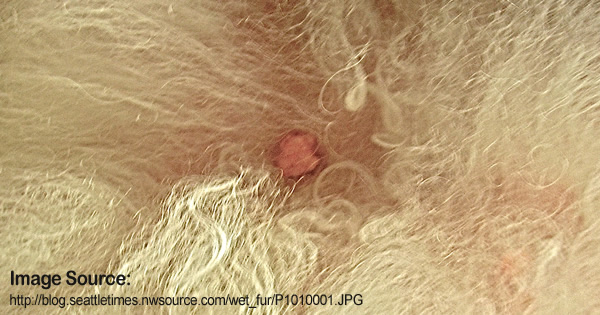
Lumps When to Be Concerned About Your Pet's Skin Growths Lumps in pets vary from harmless cysts to serious tumors, requiring veterinary evaluation for
Watery Eyes Differentiating Normal Tearing from Pathological Epiphora in Pets Watery Eyes (epiphora) in pets causes constant tear overflow, often due to
Fertility Problems Understanding Infertility in Pets of Different Ages Fertility Problems in pets may include difficulty conceiving, miscarriages, or
Flat Footed Stance In Cats Recognizing Abnormal Hind Leg Weakness Flat Footed Stance In Cats occurs when felines walk on their hocks instead of toes,
Shock Understanding This Life-Threatening Condition in Pets Shock in pets occurs when blood flow and oxygen are critically low, often due to trauma or
Blood In The Stool Recognizing Abnormalities in Your Pet's Excrements Blood In The Stool may appear as black or red streaks, sometimes with mucus,
Testicular Atrophy In Intact Males Recognizing the Signs in Unneutered Pets Testicular Atrophy In Intact Males can result from infections, tumors, or
Fecal Incontinence Understanding Loss of Bowel Control in Pets Fecal Incontinence in pets is the involuntary loss of bowel control, often requiring urgent
Blue Gums Tongue When to Be Concerned About Oral Discoloration Blue Gums Tongue may indicate health issues unless normal for certain breeds, requiring
Loss Of Bladder Control Understanding Urinary Incontinence in Pets Loss Of Bladder Control in pets is involuntary urine leakage, often affecting older or
Poor Growth Why Your Pet Might Be Experiencing Developmental Delays Poor Growth in pets refers to abnormally slow development, often caused by
Poor Wound Healing When Your Pet's Injuries Don't Heal Normally Poor Wound Healing in pets occurs when injuries don't heal normally, often due to diabetes
Dehydration Why Fluid Loss Puts Your Pet's Health at Serious Risk Dehydration in pets involves dangerous fluid loss from vomiting, diarrhea or heat,
Oversensitivity Of Touch Understanding Your Pet's Intolerance to Physical Contact Oversensitivity Of Touch in pets may indicate behavioral issues or
Bruising in Pets Recognizing Blue, Green or Purple Skin Discoloration Bruising in pets appears as blue, green, or purple skin discoloration, often caused
Overeating The Serious Health Consequences of Uncontrolled Pet Appetites Overeating in pets is a common issue that can lead to serious conditions like
Inhalation Of Food The Dangerous Consequence of Fast Eating Behavior Inhalation Of Food occurs when pets eat too quickly, potentially causing serious lung
Dragging Limbs Potential Causes From Nerve Damage to Bone Injuries Dragging Limbs may signal complete paralysis or neurological dysfunction in dogs and
Eye Tics Understanding Uncontrollable Eyelid Spasms Eye Tics in pets involve uncontrollable eyelid spasms that may signal pain, irritation, or infection
Upset Stomach in Pets Understanding Gastritis Upset Stomach in pets (gastritis) signals digestive issues ranging from parasites to food allergies,
Hemoglobinuria Understanding Abnormal Urine Composition in Pets Hemoglobinuria occurs when pet urine contains abnormal hemoglobin levels, often due to
Foul Smelling Breath in Pets A Sign of Underlying Health Issues Foul Smelling Breath in pets often signals dental disease, but could also indicate kidney
Agitation in Pets Recognizing Unexplained Nervousness or Excitement Agitation in pets appears as unexplained nervousness or hyperactivity, often leading
Hiding When It Signals a Problem Pets showing increased hiding behavior might be experiencing health problems or anxiety that warrants a vet
Warmth Around Eye Identifying Abnormal Temperature Changes Warmth Around Eye in pets often signals an infection, typically accompanied by inflammation or
Failure To React Recognizing Unresponsiveness in Pets Failure To React in pets occurs when they don't respond to sounds, commands, or visual cues,
Skin Lesions in Pets Identifying Abnormal Skin Changes Skin Lesions in pets appear as abnormal growths or dried pus/blood, often caused by allergies or
Convulsions in Pets Recognizing Abnormal Neurological Activity Convulsions in pets involve rapid muscle contractions and may indicate seizures or
Sneezing Differentiating Between Harmless and Concerning Episodes Sneezing in pets is a normal reaction to dust or debris, but chronic sneezing may signal
Behavioral Changes in Pets Recognizing Sudden Shifts in Temperament Behavioral Changes in pets may stem from anxiety, aging, or environment shifts, but
Pale Colored Stools Recognizing Abnormal Pet Stool Colors Pale Colored Stools in pets may indicate parasites, liver disease, or dietary issues needing
Poor Body Condition in Pets Recognizing the Signs Poor Body Condition in pets includes obesity or thinness from improper nutrition, thyroid disorders, or
Red Rashes in Pets Identifying Acne-Like Skin Irritations Red Rashes in pets vary from dry/scaly to moist/odorous, caused by dermatitis, infections, or
Lack Of Coordination A Sign of Brain or Nerve Damage Lack Of Coordination in pets often signals neurological damage from trauma, toxins, or infections
Loss Of Sensation In The Rear Legs Understanding Rear Limb Paralysis in Pets Loss Of Sensation In The Rear Legs often results from spinal trauma but may
Stiff Walking in Dogs and Cats Recognizing Mobility Challenges in Pets When pets show Stiff Walking, causes range from normal aging to serious conditions
Twitching in Pets Understanding Involuntary Muscle Movements Twitching in pets involves involuntary muscle spasms potentially indicating neurological
Loss Of Muscle Tone Understanding Muscular Atrophy in Pets Loss Of Muscle Tone in pets, called atrophy, often appears in hind legs and may signal Lyme
Hypertension in Pets Understanding a Chronic Condition Hypertension in pets strains vital organs like kidneys and heart, requiring veterinary diagnosis
Worms in Pets Identifying Common Intestinal Parasites Worms in pets include roundworms, tapeworms, and hookworms that live in intestines, visible in vomit
Drooling in Cats and Dogs Differentiating Harmless from Concerning Drooling becomes concerning when excessive, potentially indicating mouth injuries or
Poor Coat Condition in Pets Common Health-Related Causes Poor Coat Condition often signals health issues like hormonal imbalances, nutritional
Biting Tendencies How Breed, Environment and Upbringing Play a Role Biting in pets may indicate medical issues if sudden; consult a vet when biting
Failure To Thrive In Newborns Recognizing Fading Puppy and Kitten Syndrome Failure To Thrive In Newborns describes weak pups/kittens unable to nurse
Excessive Redness At The Incision Site A Sign of Abnormal Healing Excessive Redness At The Incision Site indicates poor healing and potential infection
Bad Temper in Pets Recognizing Signs of Irritability and Anger Bad Temper in pets often signals medical issues like infections or trauma, requiring
Cataract Formation and Vision Loss in Pets Cataract in pets is lens clouding causing blindness; progresses variably from injury/infection needing vet
When Head Shaking in Pets Becomes a Cause for Concern Head Shaking in pets can indicate ear infections, trauma, or irritants when persistent, requiring
Understanding Gas Issues in Pets Gas Issues in pets are usually harmless but sudden severe cases may indicate bowel disease needing veterinary
Decreased Thirst in Pets A Warning Sign You Shouldn't Ignore Decreased Thirst in pets can lead to dangerous dehydration and may signal serious kidney
Why Every Pet Owner Should Take Genital Ulcer Seriously A Genital Ulcer could signal serious herpes infection in pets, particularly dangerous for puppies
Causes of Seizures in Dogs and Cats You Should Know Common Seizures triggers include liver/kidney failure or head trauma, making medical evaluation
Squinting How Autoimmune Diseases and Hypothyroidism Affect Eyes Squinting in pets indicates eye irritation from debris, allergies, or infections,
Aggression Common Triggers as Territorial Protection, Fear & Pain Aggression in pets stems from territorial instincts, medical issues, or breed
Red Spots On The Gum What Healthy vs. Unhealthy Gums Look Like Red Spots On The Gum often indicate toxicity from human products or blood disorders,
Dark Waxy Discharge In The Ears When to Worry About Infections or Fever Dark Waxy Discharge In The Ears often signals ear mites, causing itching and head
Rapid Pulse in Pets When to Worry About an Elevated Heart Rate Rapid Pulse in pets may indicate serious conditions like heart disease, anemia, or heat
Eye Lesions Common Underlying Health Problems to Watch For Eye Lesions often result from trauma or underlying conditions and require prompt treatment to
Pain in Pets Recognizing the Signs of Discomfort Pain in pets signals underlying issues from injuries to diseases, requiring veterinary assessment for
Headaches Subtle Signs Your Pet Might Be in Pain Headaches in pets may indicate serious conditions like brain tumors and require veterinary evaluation if
Skin Problems in Pets: Identifying Rashes, Bumps, and Infections Skin Problems in pets range from allergies to infections. Common issues include
Unable To Recognize People Objects: Senility as the Leading Cause in Senior Pets Unable To Recognize People Objects could reflect senility in aging pets
Pain In Neck: How Spinal Trauma and Disc Disorders Trigger It Pain In Neck affects pets' mobility, often causing reluctance to jump or climb stairs due to
Vision Loss: Early Signs Your Pet’s Vision is Fading Vision Loss in senior pets is common, but in younger animals may indicate diabetes, glaucoma, or
Disorientation: How Seizures Impact Your Pet’s Brain Function Disorientation in pets often signals neurological issues like seizures or brain disorders
Tender Abdomen in Pets: Recognizing Painful Sensitivity to Touch Tender Abdomen discomfort in dogs/cats often stems from ulcers, infections, or trauma
Yellowing: How Age and Breed Affect Liver Disease Risk Yellowing in pets indicates liver dysfunction potentially caused by toxins, hypoxia, or metabolic
Change In Voice: Why Your Pet’s Bark or Meow Sounds Different Change In Voice after excessive barking/meowing may be temporary, but persistent alterations
Tarry Stools: Why Defecation Becomes Painful for Dogs and Cats Tarry Stools suggest upper GI bleeding in pets, potentially from ulcers, clotting problems,
Jerky Movements: Differentiating Between Seizures and Muscle Spasms Sudden Jerky Movements may signal brain or spinal cord damage in pets. Professional
Vision Problems in Pets: Recognizing the Signs of Vision Loss Vision Problems in pets range from blurry sight to blindness, often caused by cataracts,
Strong Smelling Urine: How Diabetes and Liver Disease Alter Urine Strong Smelling Urine that differs from your pet's normal odor may reflect kidney
Panting in Pets: Normal Abnormal Breathing Patterns Persistent heavy Panting warrants vet evaluation as it may indicate serious conditions beyond normal
Hives On The Skin: Understanding Allergic Reactions in Pets Hives On The Skin represent acute allergic responses in pets. Professional diagnosis
Rolling Eyes: Epileptic Seizures and Other Neurological Causes Rolling Eyes when conscious typically reflects neurological problems including facial
Dull Coat: How Low Skin Oil Production Leads to Dry, Brittle Fur When pets develop a Dull Coat, it frequently reflects internal health problems requiring
Muscle Weakness in Pets: A Red Flag for Serious Illness Muscle Weakness is a nonspecific but serious symptom in pets, potentially reflecting multiple
Scaly Spots: How Hormonal Disorders and Diabetes Affect Skin Health Scaly Spots demand attention as they can indicate serious conditions like nutritional