W
Whipworms
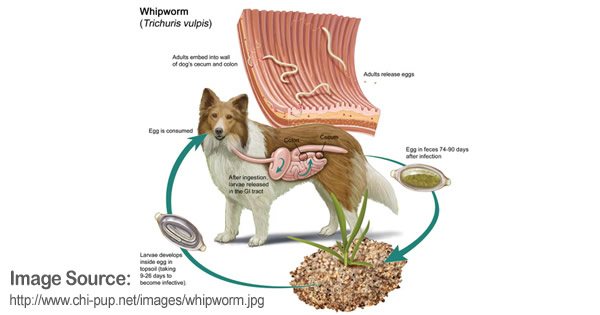
Whipworm infestation, or trichuriasis, can occur in both dogs and cats of any age or breed. They are typically transmitted when your pet ingests any…
Read article
Whipworm infestation, or trichuriasis, can occur in both dogs and cats of any age or breed. They are typically transmitted when your pet ingests any…
Read articleIntervertebral disk disease is a serious pet health problem that can affect any breed of dog, but it is most common in those with short legs, long bodies…
Rabies is a fatal viral disease that attacks the brain and spinal cord. It affects all mammals including dogs, cats and humans. In the United States, the…
Hot spots, also known as summer sores, acute moist pyoderma and moist eczema, are extremely common in dogs and uncommon in cats. A hot spot occurs when a pet…
Distichiasis is a health problem that occurs in dogs and humans. This condition occurs when eyelashes grow in abnormal locations or directions on the eyelids…
Bloat, medically known as gastric dilation and volvulus or gastric torsion, is a common pet health concern that can affect both dogs and cats. However, it…
If you have a large breed dog, your furry friend may be at risk of developing a condition known as elbow dysplasia. Elbow dysplasia is a serious disease that…
Glycogen storage disease, or glycogenosis, occurs when the body cannot metabolize glycogen due to deficient or defective enzymes. This is a rare pet health…
Canine influenza virus (CIV) is an infectious disease of dogs that causes respiratory symptoms. Discovered in 2004, the disease is extremely contagious from…
Both dogs and cats can suffer from various food allergies due to specific foods or even food groups. Steriods in pet foods, known as glucocorticoids, can…
Arthritis is a common pet health problem among both dogs and cats today. In fact, about one quarter of all pets in the U.S. suffer from some form of this…
Uveitis is an inflammatory eye disease affecting the middle layer of the eye. This layer, called the uvea, is made up of the iris, ciliary body and choroid…
Common in dogs and uncommon in cats, entropion is a conformational abnormality of the pet eyelid in which some part of the lid turns or rolls inward and…
Sinusitis is the medical term for inflammation of the sinuses. These air-filled cavities in the skull often become inflamed due to upper respiratory…
Despite its name, Feline Leukemia Virus (FeLV) does much more than cause some cases of cat leukemia. FeLV is a retrovirus that attacks the immune systems of…
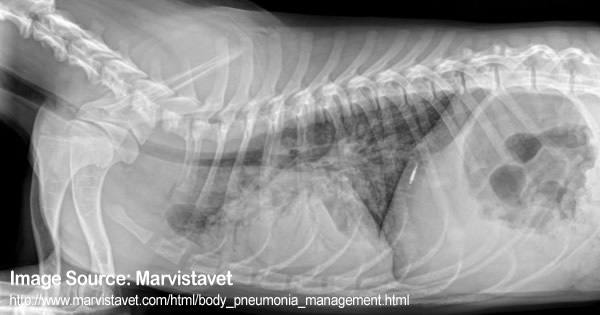
Pneumonia can occur in both cats and dogs of any age or breed. This is a respiratory condition that can develop when bacteria or viruses invade the lung’s…
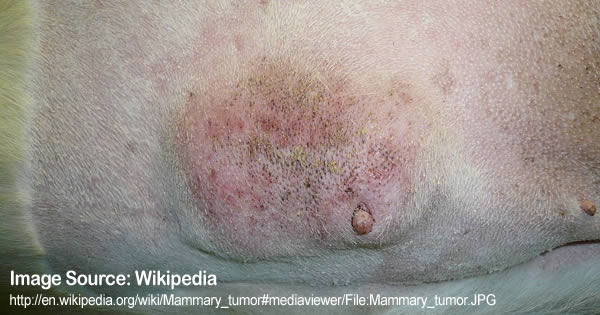
You may find it hard to believe but your pet can also develop many types of cancer. Breast Cancer occurs due to abnormal cell reproduction or growth in the…
Ear mites, or Otodectes cynotis, are small parasites that live inside the ear canal of your dog or cat. Ear mite infestation is a common pet health problem…
Since pets are not able to care for their teeth properly on their own, they are prone to many dental disorders. Among the most common of these pet health…
Colitis is a common pet health condition that can develop in both dogs and cats of any breed. This problem occurs when the colon or large intestine becomes…
Kennel cough, medically known as infectious tracheobronchitis or Bordetella bronchiseptica, is a common pet health concern among dogs. Many people also know…
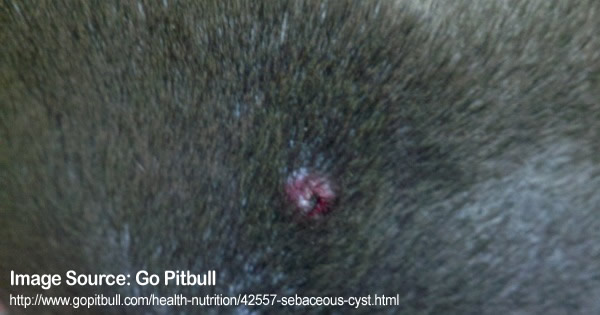
Cysts are common pet health problems that occur when space within the epidermal tissue condition of your pet fills with some form of liquid or solid matter…
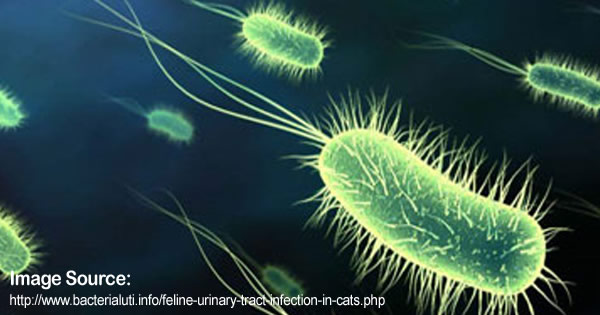
If you have a dog or cat, excellent pet health is probably a large concern for you. Urinary tract infections, also known as UTIs, are relatively common health…
Although deafness in dogs and cats is not a dangerous pet health concern, it is essential for you to seek proper treatment for the well-being of your pet…
Pets with achondroplasia, commonly called dwarfism, have a mutation in the gene for the fibroblast growth factor receptor. This mutation can cause stunted…
Soft tissue sarcomas are malignant tumors that arise from the skin and connective tissues on pets. Seven percent of all skin and subcutaneous tumors in cats…
Folliculitis is the medical term for inflammation of the hair follicles. Bacterial infection is the most common cause of this cat and dog health condition…
Feline immunodeficiency virus (FIV), sometimes called feline AIDS, is a retrovirus that infects cats. FIV is a feline-only virus, and there are no reports of…
Laryngeal paralysis is a condition that occurs mainly in dogs. However, it can occur in horses as well. It rarely develops in cats. While it is typically an…
This pet health condition is part of the Brachycephalic Syndrome. This means that your pet’s nostrils are pinched or too narrow making it hard for your dog or…
Copper toxicosis is known by several different names including copper storage hepatopathy, copper-associated hepatopathy, copper storage disease and…
Ectropion is an eyelid abnormality in which the lower eyelid sags or rolls outward. It can occur alone or with other conformational abnormalities. Affected…
Collie eye anomaly is an inherited pet health condition that affects many different herding dogs. This condition occurs on pets, when chromosomes that…
Aspergillosis is a pet health condition caused by infection with Aspergillus, a common fungus found in dust, grass and hay. Outdoor pets and those living on…
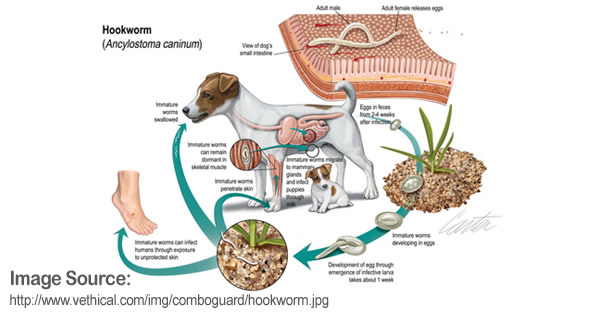
Hookworm infestation, or ancylostomiasis, can be a very serious pet health problem, especially when it occurs in young animals. These deadly parasites invade…
Many dogs and cats have cute behaviors that warm our hearts and make us smile such as giving us kisses, chasing the light from a flashlight or fetching their…
Stomach ulcers, often called gastric ulcers or peptic ulcers, are sores in the tissue that lines the inside of the stomach. Gastric ulceration results from…
Stomatitis is the inflammation of the tissues of the mouth including the lips, tongue and lining of the oral cavity. It has a number of possible primary…
Ear infections are caused by microorganisms that replicate in the ears. In dogs, the most common causes of these infections are bacteria and yeast. In cats…
Metaldehyde, an ingredient found in some solid camp stove fuels as well as snail and slug baits, is very toxic to both dogs and cats. Usually called snail…
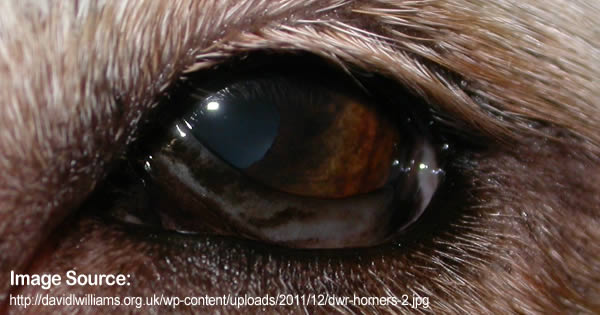
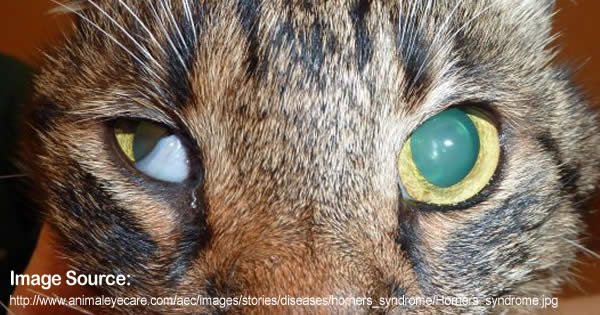
Horner’s syndrome is a pet health condition that occurs when there is damage to the sympathetic nerve pathway to the eye. When this happens, various facial…
Feline Infectious Peritonitis (FIP) is a fatal viral disease that occurs in cats. It is caused by strains of the feline coronavirus, a type of virus that…
Conjunctivitis is a fairly common pet health concern that occurs when the membranes lining the eyelids become inflamed. These membranes, known as conjunctiva…
Blepharitis in pets occurs due to allergies, an excessive growth of bacteria on your pet’s eyelids or a blockage of the eye’s oil glands. It is most often…
Inflammatory bowel disease (IBD) is the broad term veterinarians use to describe a group of disorders characterized by the presence of inflammatory cells in…
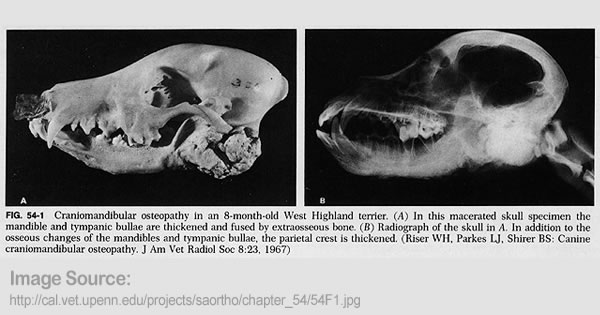
Craniomandibular Osteopathy, also called lion jaw, is a disease in which the bones, particularly those of the lower jaw and those surrounding the middle ear…
Giardiasis is a disease caused by protozoan parasites of the genus Giardia. This infection is very common in many species of wild and domestic animals…
Articular ligaments are fibrous bands that connect bones to other bones to create joints. They are extremely important in maintaining skeletal integrity, so…
Lipomas are benign tumors or masses that develop beneath the skin in both dogs and cats. Over time, they can grow quite large and can even impede your pet’s…
Hereditary canine thrombopathia is a genetic platelet function disorder affecting signal transduction. It causes abnormal bleeding in affected pets. Experts…
Brucellosis is a serious pet health condition that affects mainly dogs; however, it can develop in humans and various farm animals as well. This is a…
Bartonellosis is a disease caused by infection with bacteria of the genus Bartonella. This pet disease is transmitted by bites from infected fleas and ticks…
Roundworms, or ascarids, are the most common intestinal parasites in both puppies and kittens. There are two types of these worms, and they are Toxascaris…
Hypothyroidism in pets is a more common pet health concern than you may think. In fact, the number of dogs and cats affected by this condition is quite large…
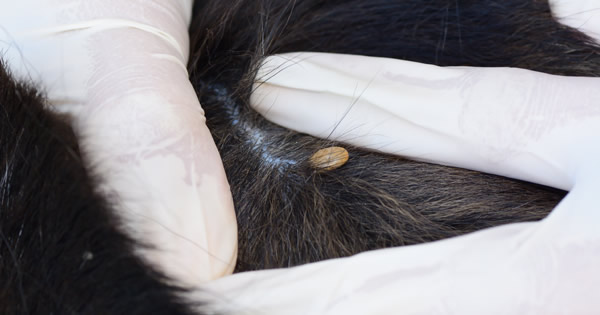
Ehrlichiosis is a disease caused by various species of bacteria belonging to the genus Ehrlichia. The pet disease is spread by infected ticks of the following…
Meningioma is the most common type of brain tumor that occurs in dogs and cats. This serious pet health condition develops within the membranes enveloping the…
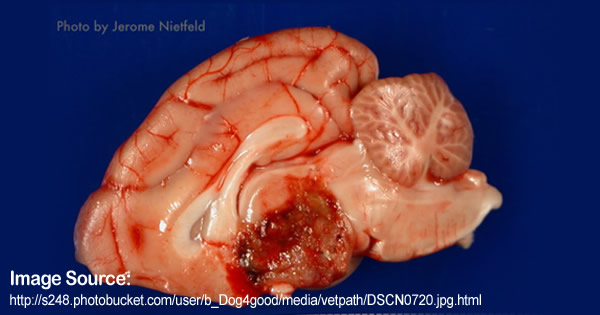
Brain tumors, although is an uncommon disease in pets, can develop in both dogs and cats. However, they seem to occur more often in canines. While there are…
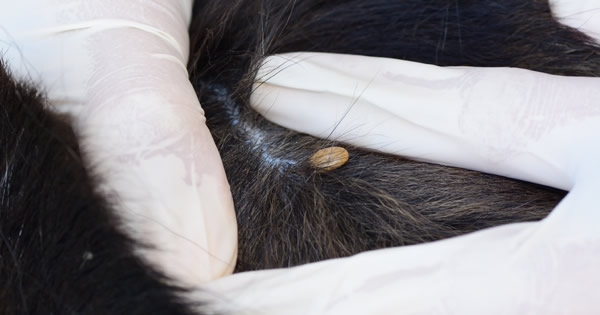
Caused by spirochete bacteria in the Borrelia burgdorferi complex, Lyme disease, also called Lyme borreliosis, is a common tick-borne disease spread through…
The term alopecia is used to refer to partial or total lack of hair in areas where hair is normally present. This can be due to <a…
When people think about depression, they most likely think about it as being a human condition. However, what you may not know is that pets can become…
Glaucoma in pets occurs when there is increased pressure inside the eye. A clear fluid within the eye, known as aqueous humor, is essential to maintain the…
Blindness can be a debilitating pet health concern for your dog or cat. However, if your pet is blind in only one eye, it should be able to get around without…
The pituitary gland is a small structure located at the base of the brain. It produces hormones that regulate adrenal function, thyroid function, growth…
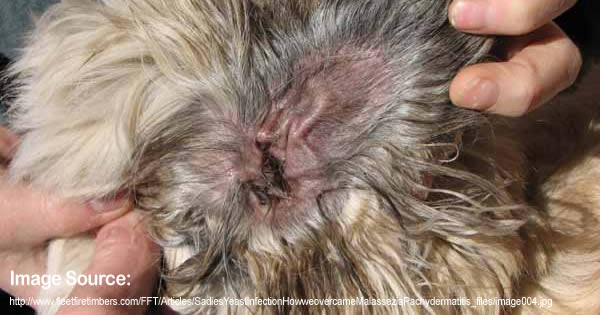
Yeast infections in pets, medically known as candidiasis, occur when yeast begins invading damaged tissues due to suppressed immune systems. Yeast, or…
Anemia is a condition that occurs in pets when there is a significant reduction in an animal’s red blood cells, hemoglobin or both. Red blood cells are…
Laryngitis is a condition that occurs when there is an inflammation of the larynx. This common pet health problem can occur due to many different reasons…
Rocky Mountain spotted fever (RMSF) is a tick-borne bacterial disease caused by Rickettsia rickettsii. This organism produces disease in dogs and humans and…
Urinary incontinence is a condition that involves the involuntary passing of urine. This pet health problem can affect cats and dogs of any age but it is more…
Dogs and cats with epiphora, commonly called watery eyes or runny eyes, have tears that overflow onto their faces. Epiphora can be irritating to the affected…
Eye infections in pets can be caused by a variety of things including viruses, bacteria, injuries, foreign matter, various diseases and fungi. These…
The liver is essential to filter your pet’s blood, detoxify wastes, store sugars and secrete bile. When the liver malfunctions, serious pet health concerns…
Brachycephalic respiratory syndrome, also called brachycephalic syndrome or congenital obstructive upper-airway disease, is a group of anatomical…
Asthma, also known as chronic bronchitis, is a serious pet health problem that both dogs and cats can suffer from. If your pet has asthma, the small airways…
Unfortunately, cancer is not strictly a health problem associated with humans: It is a serious pet health concern as well. There are many types of cancer in…
Myasthenia gravis is a neurological pet disease in which communication between skeletal muscles and nerves breaks down. There is an acquired form of the…
Canine degenerative myelopathy is an incurable disorder of the white matter of the spinal cord. Middle aged and older dogs possessing a certain defective gene…
Atopic dermatitis is a common pet health problem among both dogs and cats; however it is seen more often in canines. This condition is typically caused by…
Lens luxation is a pet health condition that occurs when the lens becomes dislocated or displaced within the eye. Normally, the lens is held in place by tiny…
Insect bites and stings are quite common in both dogs and cats and can involve ants, bees, spiders, fleas, ticks and a variety of other annoying little…
Flatulence, commonly called gas, is a condition in which too much gas accumulates in the stomach and intestines. It is normal for pets to have some gas, but…
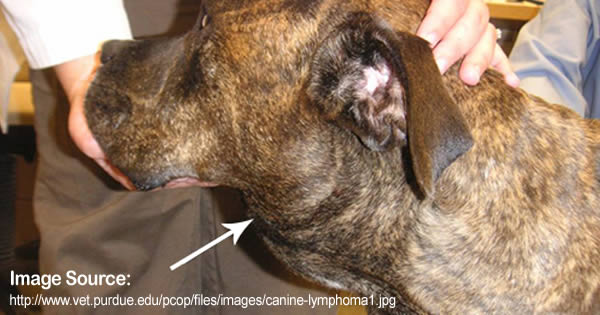
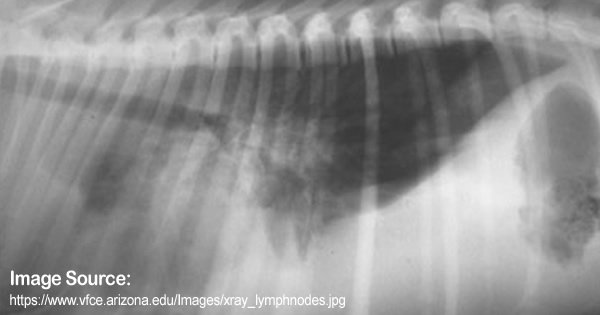
Lymphoma is a form of cancer that develops in the lymphocyte cells of your pet’s immune system. Lymphocytes are types of white blood cells that are essential…
Salmonellosis is a pet health condition that is caused by a bacterium called salmonella, and it can be found in many different sources. This disease can occur…
Fanconi syndrome is a pet health condition that occurs when tubules of the kidneys do not function as they should. Normally, these tubules reabsorb such…
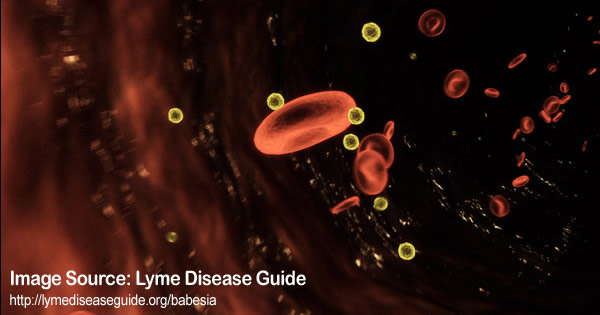
Babesiosis is a pet health problem caused by protozoa of the genus Babesia. The infection is most often spread by the brown dog tick, but it can be spread by…
Obesity is a common condition in pets, and in some cases, it can be quite debilitating. There are many things that can cause your pet to become overweight…
The immune system is essential to your pet’s body, in that it is able to recognize any threatening substances and destroy them almost immediately…
Despite its name, ringworm is not a type of worm at all. It is a fungus that is highly contagious in both humans and pets. However, while ringworm appears as…
Cerebellar ataxia syndrome is a collection of symptoms related to damage to the cerebellum. This is the part of the brain that controls coordination, balance…
Oxalate bladder stones are common pet health concerns that can develop in both dogs and cats. In the majority of cases, treatment for this condition is very…
Vitamin D interacts with parathyroid hormones in your pet to release calcium from the bones, kidneys and gut, which is then transferred to the bloodstream. If…
There are many types of congenital heart disease that can occur in both cats and dogs. However, some of the most common defects include dysplasia, septal…
Sarcoptic mange, commonly called scabies, is an infectious parasitic skin disease of dogs caused by mites of the species Sarcoptes scabiei var canis. Infected…
Toxoplasmosis is a parasitic disease caused by the protozoan Toxoplasma gondii. This disease affects almost all warm-blooded animals including cats, dogs and…
Diarrhea is a very common condition among pets of all breeds and ages. If your pet has diarrhea, it typically means that there is something else wrong with…
In pets with polycystic kidney disease (PKD), cysts, which are closed sacs filled with fluid, air or partially solid material, gradually replace healthy…
Periodontal disease is a common pet health concern that involves inflammation of your pet’s gums and the loss of vital structures of the teeth. This disease…
When there is an inflammation of your pet’s nasal passages, it is known as rhinitis. Conversely, inflammation of the sinuses is known as sinusitis. Both of…
A platelet clumping defect caused by a deficiency of the blood glycoprotein von Willebrand factor (vWF), von Willebrand’s disease is common in certain dog…
Tracheal Collapse Understanding the Weakening of Your Pet's Windpipe Tracheal Collapse occurs when weakened cartilage fails to support a pet's windpipe
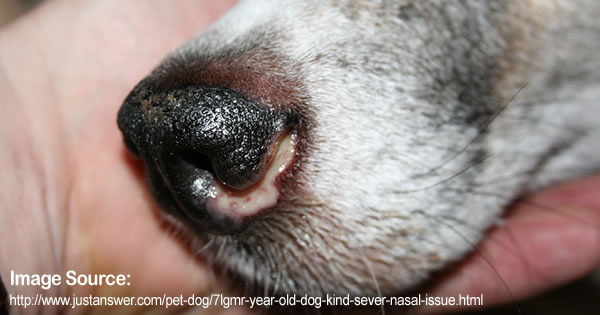
Nasal Depigmentation The Harmless pets Condition That Worries Owners Nasal Depigmentation causes unexplained lightening of a pet's nose but isn't harmful
Ear Hematoma A Common Condition Across All Ear Types in Pets Ear Hematoma is a common condition affecting pets' ears regardless of their shape or
Enteritis Understanding Small Intestinal Inflammation in Pets Enteritis refers to small intestine inflammation in pets, caused by infections, diet
Bladder Infection A Common Yet Treatable Condition in Pets Bladder Infection has a high cure rate when addressed quickly by a professional
Contact Dermatitis Understanding the Two Types in PetsIdentifying and Managing Skin Irritations in Pets Contact Dermatitis in pets comes in irritant and
Skin Diseases Understanding the Various Causes in Pets Skin Diseases in pets range from acute to chronic conditions, often linked to immune system
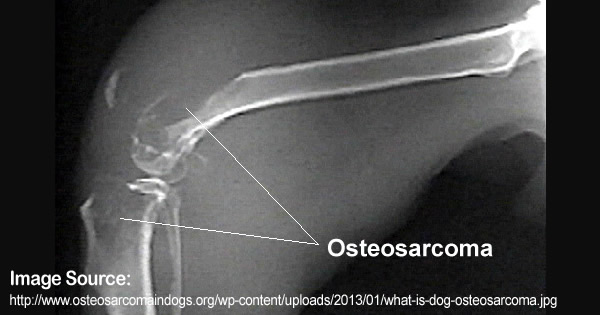
Bone Tumors Understanding Benign and Malignant Growths in Pets Bone Tumors in pets can be benign osteochondromas or malignant osteosarcomas, with most
Aural Hematoma Understanding Blood Accumulation in Your Pet's Ear Flap Aural Hematoma describes blood accumulation under a pet's ear skin, often caused by
Dry Eye in Pets Understanding Keratoconjunctivitis Sicca Dry Eye syndrome occurs when pets lack proper eye lubrication, affecting both eyes and requiring
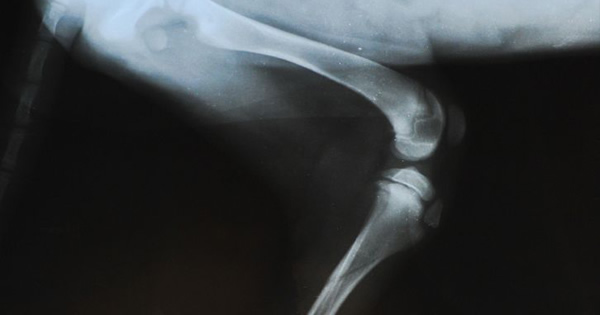
Patellar Luxation Understanding the Dislocation of the Kneecap Patellar Luxation occurs when a pet's kneecap dislocates, often due to weakened ligaments
Retinal Dysplasia Understanding This Ocular Condition in Pets Retinal Dysplasia is a pet health condition affecting the retinas of cats, dogs, and farm
Allergies Skin Understanding Negative Reactions in Pets Allergies Skin in pets cause intense itching from reactions to food, pollen, or dust, leading to
Epilepsy in Pets Understanding Recurrent Seizure Disorders Epilepsy causes recurrent seizures in pets, often with no identifiable cause (idiopathic) in
Parvovirus Understanding This Hardy Animal Virus Parvovirus causes severe diseases like canine parvo and feline panleukopenia, especially dangerous for
Struvite Stones Understanding stones in the bladder in Pets Struvite Stones are common bladder crystals in pets, often asymptomatic but potentially
Heartworm Infestation A Life-Threatening Condition for Pets Heartworm is a deadly parasite spread by mosquitoes that infects pets' hearts, especially near
Mouth Tumors The Importance of Early Detection Mouth Tumors in pets often appear near upper teeth or palate, growing rapidly with potential for
Dental Disease Common Oral Health Problems in Pets Common Dental Disease in pets includes gum disease and decay, often leading to systemic health
Distemper A Highly Contagious and Often Fatal Viral Disease Distemper spreads rapidly pets progressing from respiratory symptoms to neurological damage if
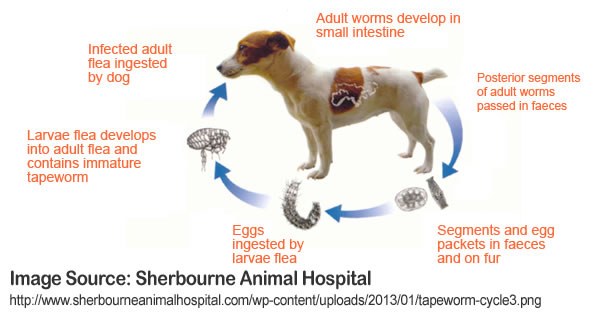
Tapeworms in Dogs and Cats Understanding These Common Intestinal Parasites Tapeworms are intestinal parasites that attach via hooked mouths, growing
Pyoderma in Pets Medical Definition and Primary Cause Pyoderma is a bacterial skin infection causing pus formation, more prevalent in dogs than cats,
Coronavirus Specificity Between Dogs and Cats While Canine Coronavirus means mild stomach upset, Feline Coronavirus occasionally develops into lethal FIP
Anal Gland Disease in Pets Understanding This Common Health Condition Anal Gland Disease occurs when sacs near the anus become blocked or inflamed, often
Otitis Externa The Most Common Ear Disease in Pets Otitis Externa refers to outer ear canal inflammation that can become chronic without proper veterinary
Osteosarcoma Recognizing Early Signs in Senior Pets Osteosarcoma risk increases with size, being exceptionally rare in cats but frequent in dogs
Allergies Flea: Understanding Flea Bite Hypersensitivity in Pets Allergies Flea occur when pets react to flea saliva, causing severe itching and skin
Gastritis in Pets: Understanding Stomach Lining Inflammation Gastritis is stomach lining inflammation causing vomiting in pets, with acute or chronic
Pancreatitis in Pets: Understanding Pancreatic Inflammation Pancreatitis, the leading pancreatic disorder in pets, affects older animals more severely and
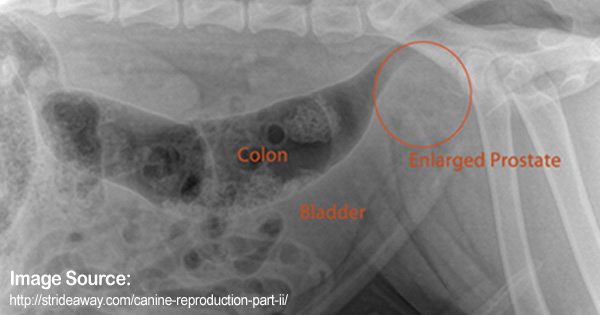
Prostate Diseases in Pets: Why Intact Male Dogs & Cats Are at Risk Prostate Diseases primarily affect unneutered male pets, with benign prostatic
Helicobacter Infection in Pets: Understanding the Gut Bacterium Helicobacter Infection normally harmless in pets' stomachs but can cause illness when
Valley Fever: How Early Detection Prevents Life-Threatening Cases Valley Fever affects pets in arid regions, caused by soil fungus. Early treatment
Legg Perthes Calve Syndrome: Understanding Femoral Head Degeneration Legg Perthes Calve Syndrome causes femoral head degeneration leading to hip collapse
Mange in Pets: Understanding the Role of Mites in Skin Disease Mange refers to mite-caused skin diseases in pets, with sarcoptic and demodectic being the
Herpes Virus: Prevention and Management for Infected Pets Herpes Virus affects both dogs and cats, with different strains adapted to each species'
Cherry Eye: Complications and Why Timely Treatment Matters Cherry Eye occurs when a dog's third eyelid gland prolapses, appearing as a red mass. Common in
Leptospirosis: Prevention to Shield Your Pet from Infection Leptospirosis spreads via infected urine in water/soil. The spirochete bacteria can cause
Cognitive Dysfunction: How Aging Changes Your Pet’s Brain Cognitive Dysfunction affects senior pets' brains, causing confusion. Early intervention with
Pica in Pets: Why Dogs and Cats Eat Non-Food Objects Pica is a dangerous condition where pets eat non-food items like rocks or fabric, often due to
Addison's Disease in Pets: Understanding Hormonal Imbalance Addisons Disease is an endocrine disorder where adrenal glands fail to produce enough
Fecal Impaction in Pets: When Constipation Becomes an Emergency Fecal impaction occurs when hard, dry stool becomes stuck in your pet's colon. Learn to
Cushing's Disease: Why Middle-Aged Dogs Are Most at Risk Cushings Disease in dogs? High steroid levels cause symptoms. Learn signs & treatments now!
Ruptured Disc in Pets: Anatomy of the Spine and How Injury Occurs Ruptured Disc in pets? Spinal disc issues cause pain & paralysis. Know the signs for
Subaortic Stenosis: A Serious Heart Condition in Large Breed Puppies arge breed pup? Subaortic Stenosis is a serious inherited heart defect. Early
Limping dog? ACL Injuries cause knee pain & instability. Learn signs & treatments for your pet! Limping dog? ACL Injuries cause knee pain &
Cataracts in Pets: Understanding This Common Eye Condition Cloudy eyes? Your pet may have Cataracts! Learn causes (age, diabetes, trauma) and treatment
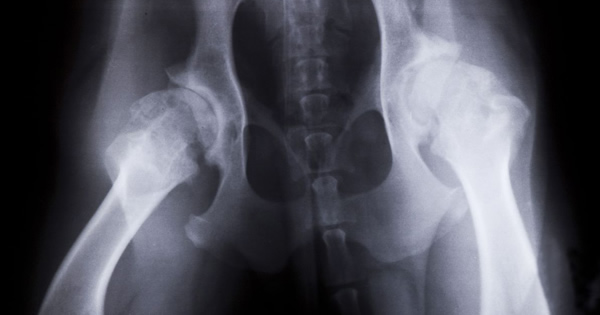
Hip Dysplasia: Why Large Breed Dogs Are Most at Risk Hip Dysplasia troubles? Learn about this joint condition affecting dogs' hind legs & how to
Gingivitis in Pets: Why This Common Disease is Often Preventable Gingivitis in cats/dogs: Left untreated, it leads to tooth loss & organ damage.
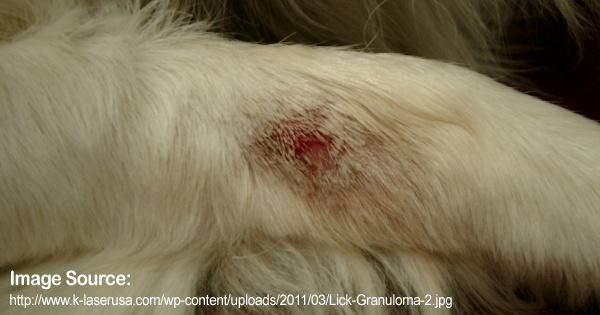
Lick Granuloma: Understanding This Common Skin Condition in Pets Lick granuloma: Obsessive licking creates infected wounds. Boredom, pain or allergies
Heat Stroke in Pets: Why This is a Life-Threatening Emergency Heat stroke prevention: Walk at dawn/dusk, provide shade & freeze water bowls for
High Blood Pressure in Pets: The Silent Threat You Might Miss High blood pressure in pets is a silent killer! Annual vet checks detect it early - don’t
Kidney Disease: Why Early Treatment is Critical Kidney disease isn’t just ‘old pet’ problem. Young dogs and cats get it too! Annual bloodwork saves
Spinal Problems In Cats: Recognizing Early Warning Signs Spinal problems in cats range from tumors to trauma. Watch for wobbling, pain or litter box
Hypoglycemia in Pets: Understanding This Dangerous Condition Hypoglycemia warning signs: Disorientation, muscle twitching & lethargy. Small pups need
Splenectomy in Pets: Understanding This Surgical Procedure Splenectomy saves lives when the spleen ruptures or tumors form. Dogs recover well without this
Corneal Diseases: Symptoms and Early Detection in Pets Corneal diseases in pets: Ulcers, dystrophy & trauma cause eye cloudiness & pain. Early vet
Gastric Torsion: Why Large-Breed, Deep-Chested Dogs Are Most at Risk Gastric torsion is deadly! Large/deep-chested dogs like Great Danes are at highest
Seborrhea in Pets: Understanding This Flaky Skin Condition Seborrhea in pets causes greasy, flaky skin. Secondary cases signal allergies or parasites -
Salmon Poisoning Disease: How Dogs Contract Neorickettsia helminthoeca Salmon poisoning disease: A deadly bacterial infection from raw salmon/trout.
Cerebellar Hypoplasia: Causes and Risk Factors in Dogs and Cats erebellar hypoplasia isn't painful. These pets just move differently - and deserve
Cardiomyopathy in Pets: Early Symptoms Owners Often Miss Cardiomyopathy: A deadly heart muscle disease in pets. Dilated & hypertrophic types damage
Bronchitis in Pets: Common Causes and Risk Factors Bronchitis in pets causes persistent coughing that worsens inflammation. Early vet care prevents
Congestive Heart Failure: Recognizing Subtle Early Signs Congestive heart failure in pets often develops silently. Watch for coughing, fatigue &
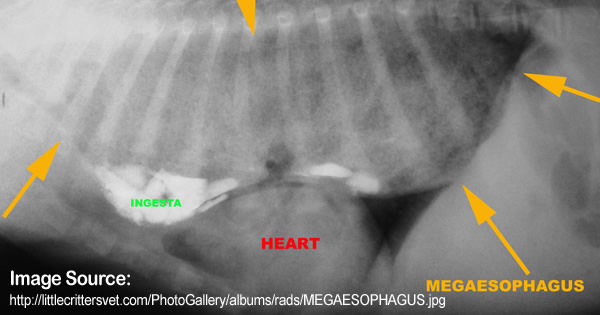
Megaesophagus Enlarged Esophagus: Management and Treatment Options Megaesophagus enlarged esophagus occurs when peristalsis fails, preventing food from
Diabetes Mellitus Sugar Diabetes: Management and Treatment Options Diabetes mellitus sugar diabetes in pets: When insulin fails. Watch for excessive
Coccidiosis: Treatment and Prevention for Dogs and Cats Coccidiosis: Treatable but deadly if ignored. Blood in stool? Emergency vet visit!Coccidiosis is
Histoplasmosis: Symptoms, Diagnosis, and Treatment Options Histoplasmosis: Fungal threat to pets! Common in river valleys, causes fever & weight loss.